Senin, 06 Desember 2021

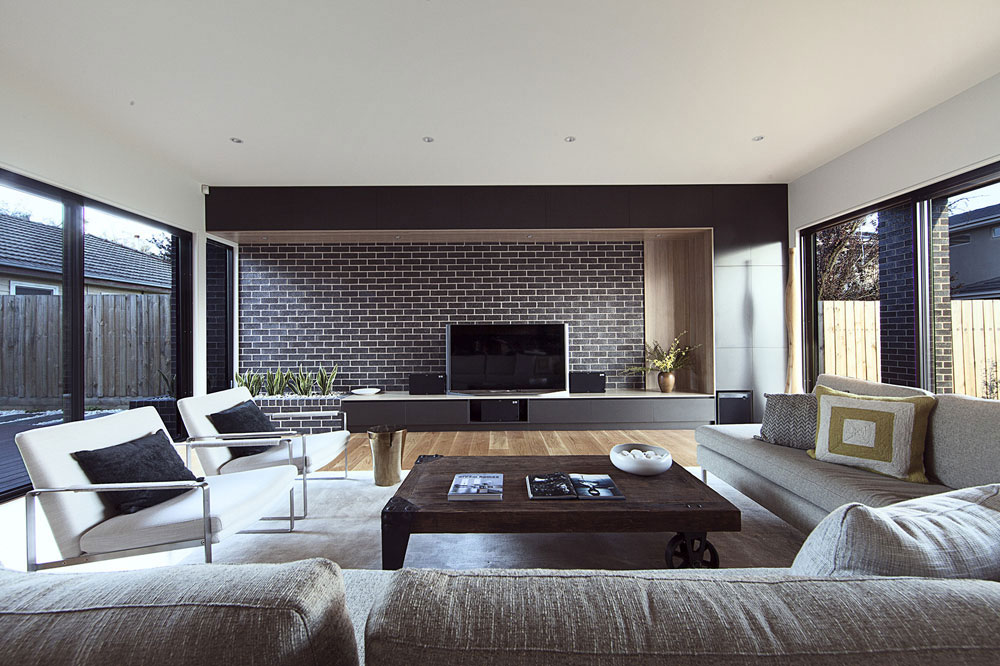
Drexel Living Wall

Drexel Living Wall

Image of St. Katharine Drexel

St. Katharine Drexel is the second American-born saint to be canonized by the Catholic Church. This amazing woman was an heiress to a large bequest who became a religious sister and a brilliant educator.

Katherine was born in Philadelphia on November 26, 1858, the second child of a prominent and wealthy banker, Francis Anthony Drexel and his wife, Hannah Langstroth. He mother passed away just five weeks after Katharine was born. Her father remarried to Emma Bouvier in 1860 and together they had another daughter in 1863, Louisa Drexel.

The girls received a wonderful education from private tutors and traveled throughout the United States and Europe. The Drexels were financially and spiritually well endowed. They were devout in the practice of their faith, setting an excellent example of true Christian living for their three daughters. They not only prayed but practiced what the Church calls the spiritual and corporal works of mercy.

Katharine grew up seeing her father pray for 30 minutes each evening. And every week, her stepmother opened their doors to house and care for the poor. The couple distributed food, clothing and provided rent assistance to those in need. The Drexels would seek out and visit women who were too afraid or too proud to approach the home in order to care for their needs in Christian charity.

Though Katharine made her social debut in 1879, she never let her family's money adversely affect the way she lived her life and faith. She was an example of a Christian with a proper understanding that the goods of this earth are given for the common good.

After watching her stepmother suffer with terminal cancer for three straight years, Katharine also learned that no amount of money could shelter them from pain or suffering. From this moment, Katharine's life took a turn. She became imbued with a passionate love for God and neighbor, and she took an avid interest in the material and spiritual well-being of black and native Americans.

In 1884, while her family was visiting the Western states, Katharine saw first-hand the troubling and poor situation of the Native Americans. She desperately wanted to help them.

Katharine spent much of her time with Father James O' Connor, a Philadelphia priest. He provided her with wonderful spiritual direction.

When her father passed away a year later, he donated part of his $15.5 million estate to a few charities and then left the remainder to be equally split amongst his three daughters.

He set up his will in a way to protect his daughters from men who were only seeking their money. If his daughters should die, the money was then to go on to his would-be grandchildren. If there were no grandchildren, the Drexel estate would be distributed to several different religious orders and charities, including the Society of Jesus, the Religious of the Sacred Heart, a Lutheran hospital and the Christian Brothers.

As one of their first acts following their father's death, Katharine and her sisters contributed money to assist the St. Francis Mission of South Dakota's Rosebud Reservation.

Katherine soon concluded that more was needed to help the Native Americans and the lacking ingredient was people.

In 1887, while touring Europe, the Drexel sisters were given a private audience with Pope Leo XIII. They were seeking missionaries to help with the Indian missions they were financing. The Pope looked to Katharine and suggested she, herself, become a missionary.

After speaking with Father O' Connor, Katharine decided she would give herself and her inheritance to God through service to both Native Americans and African Americans. She wrote, "The feast of St. Joseph brought me the grace to give the remainder of my life to the Indians and the Colored."

Katharine began her six-month postulancy at the Sisters of Mercy Convent in Pittsburgh in 1889.

We ask you, humbly, to help.

Deacon Keith Fournier Hi readers, it seems you use Catholic Online a lot; that's great! It's a little awkward to ask, but we need your help. If you have already donated, we sincerely thank you. We're not salespeople, but we depend on donations averaging $14.76 and fewer than 1% of readers give. If you donate just $5.00, the price of your coffee, Catholic Online School could keep thriving. Thank you. Help Now >

On February 12, 1891, Katharine made her first vows as a religious and dedicated herself to working for the American Indians and African-Americans in the Western United States.

Taking the name Mother Katharine, she established a religious congregation called the Sisters of the Blessed Sacrament for Indians and Colored, whose members would work for the betterment of those they were called to serve.

From the age of 33 until her death in 1955, she dedicated her life and her fortune to this work. In 1894, Mother Katharine took part in opening the first mission boarding school called St. Catherine's Indian School, in Santa Fe, New Mexico. Other schools quickly followed - for Native Americans west of the Mississippi River, and for the blacks in the southern part of the United States.

In 1897, Katharine asked the friars of St. John the Baptist Province of the Order of Friars Minor to help staff a mission for the Navajos in Arizona and New Mexico, and she would help finance their work with the Pueblo Native Americans.

In 1910, Katharine also financed the printing of 500 copies of A Navaho-English Catechism of Christian Doctrine for the Use of Navaho Children.

In 1915, Katherine founded Xavier University in New Orleans, the first Catholic University in the United States for African-Americans.

By the time of her death, she had more than 500 Sisters teaching in 63 schools throughout the country and she established 50 missions for Native Americans in 16 different states.

Katharine suffered a heart attack at 77-years-old and was forced to retire. She spent the remainder of her life in quiet and intense prayer. She recorded her prates and aspirations in small notebooks.

Mother Katharine died on March 3, 1955 at the age of 96. She is buried at her order's motherhouse. Neither of Katharine's sisters had any children, so after her death, the Sisters of the Blessed Sacrament lost the Drexel fortune that supported their ministries. However, the order continues to pursue Katharine's mission with the African-Americans and Native Americans in 21 states and in Haiti.

Katharine was remembered for her love of the Eucharist and a desire for unity of all peoples. She was courageous and took the initiative to address social inequality within minorities. She believed all should have access to a quality education and her selfless service, including the donation of her inheritance, helped many reach that goal.

St. Katharine was beatified on November 20, 1988 and canonized on October 1, 2000 by Pope John Paul II.

Relics of St. Katharine can be found at St. Raphael the Archangel Catholic Church in Raleigh, North Carolina, and in the Day Chapel of Saint Katharine Drexel Parish in Sugar Grove, Illinois.

To all our readers,

Please don't scroll past this. We interrupt your reading to humbly ask you to defend Catholic Online School's independence. 98% of our readers don't give; they look the other way. If you are an exceptional reader who has already donated, we sincerely thank you. If you donate just $10.00, or whatever you can, Catholic Online School could keep thriving for years. Most people donate because Catholic Online School is useful. If Catholic Online School has given you $10.00 worth of knowledge this year, take a minute to donate. Show the world that access to Catholic education matters to you. Thank you.

Help Now >

Katharine is the patron saint of racial justice and philanthropists. Her feast day is celebrated on March 3.

Drexel Living Wall

Source: https://www.catholic.org/saints/saint.php?saint_id=193

Share:

Big Living Room Decor Ideas

Big Living Room Decor Ideas

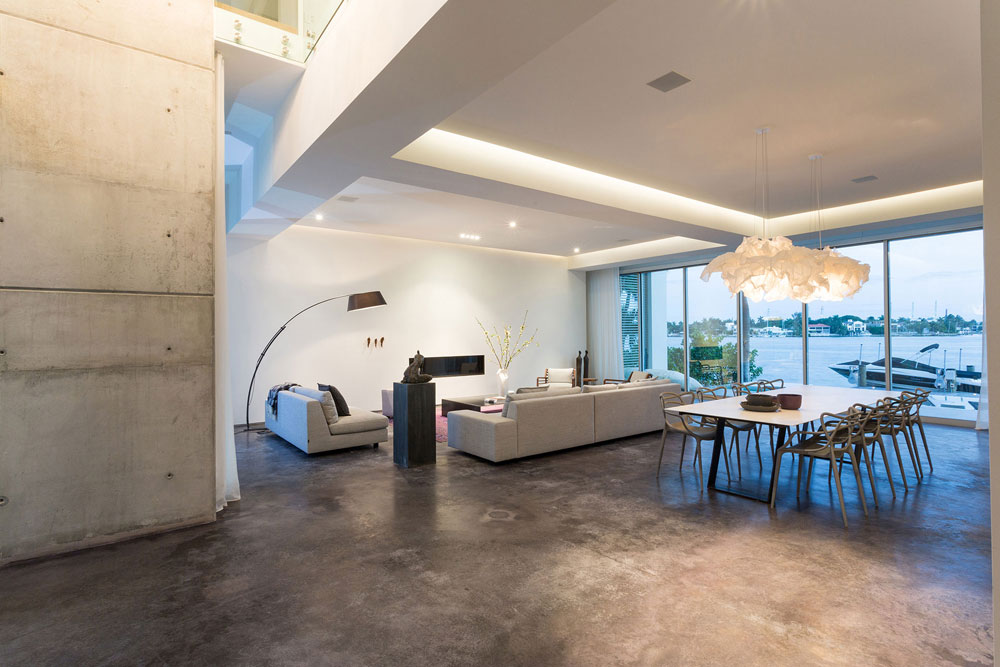
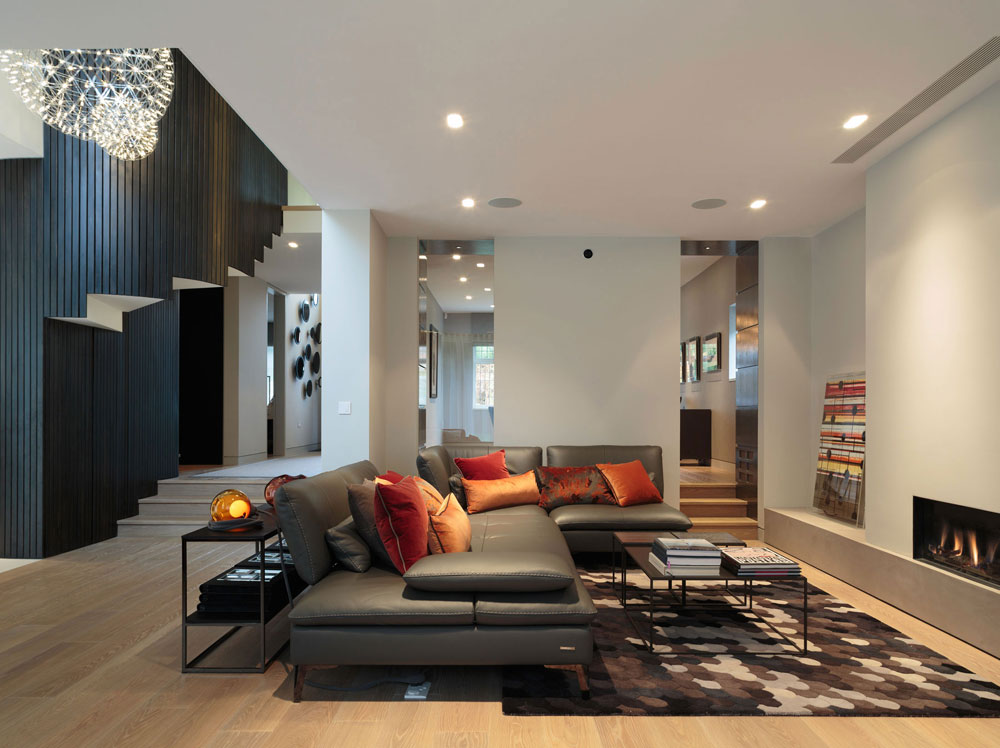
The most important area in every home is the living room, regardless of whether it has been designed as a reception saloon, dining area, play zone for kids, or a peaceful reading nook.

Basically, the big living room can assume several different roles, especially with no extra rooms around to cover for those.

This is why large living room ideas should be analyzed carefully and planned with care.
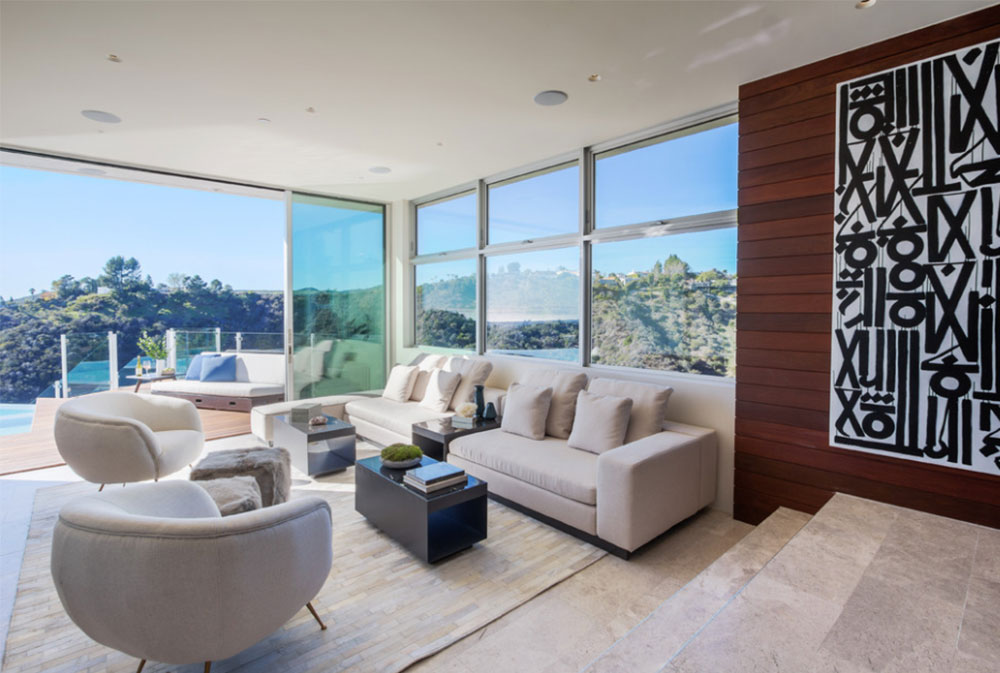
Bel-Air-View-Home-by-Michelle-Ruben-Interiors How To Decorate A Large Living Room (36 Ideas)
Image source: Michelle Ruben Interiors

Great room ideas are unique and original.  However, there are some tips to follow when it comes to the large living room. ? The first and most important rule is to make it comfortable and dismiss the feeling of emptiness without making it too busy.  Great room designs appear spacious and tranquil.

What this means is that large couches will work just fine as the central large living room furniture, and you can go on adding pieces as you need them. IKEA living room sets are a good starting place if you want to do it on the budget.
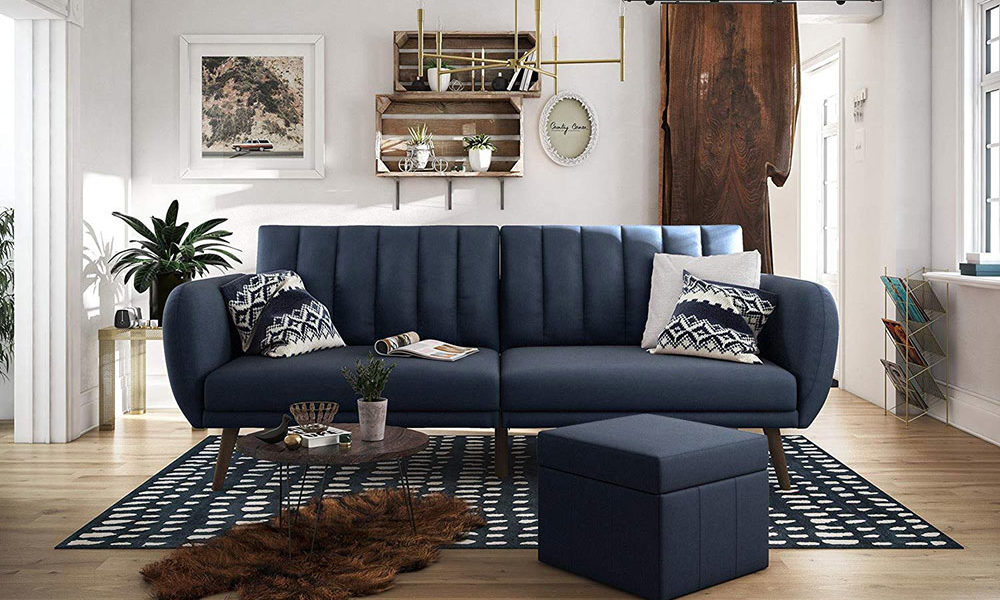
818gfve4WbL._SL1500_-1000x600 How To Decorate A Large Living Room (36 Ideas)

However, investing in some modern furniture for your living room is a great idea and you can afford to go for some big statement pieces when decorating larger rooms, just don't go overboard. A few statement pieces is all you need, too much furniture can become a distraction and ruin the overall look of your space.

Designing and furnishing a large living room: The 7 hit off tips

For most of us, large living room designs work around the concept of a contemporary parlor where you will organize gatherings and parties, and host events for special occasions. Large room layouts are focused on entertainment, and try to make maximum use of the space you have available.
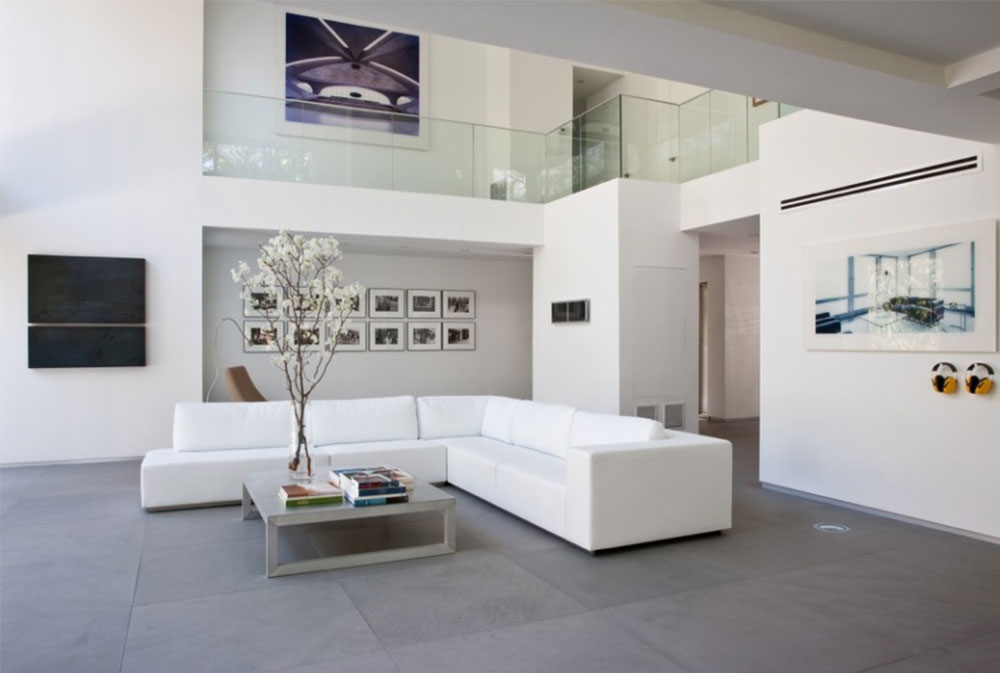
Stein-Residence-by-Strang-Architecture How To Decorate A Large Living Room (36 Ideas)
Image source: Strang Architecture

What you may not know is that you can achieve the very same result with a huge living room, as long as you follow several 'visual spaciousness' rules on how to decorate a large living room:

  • When it comes to decorating large walls, pick one color, and spread it around. It's no surprise that large living room ideas usually work with a single color, as the uninterrupted flow of one shade on walls, doors, and trims creates the illusion of the room is bigger than it actually is.
  • Think vertically: Height is an often neglected dimension that can make big living rooms look even bigger. In order to make use of it, use wall spaces well. Hang your drapes and curtains higher than the frame of your windows, ideally with crowd moldings beautifying the edge between the walls and the ceiling. These solutions are eye-catchy and distractive, particularly when you support them with decorative shelves and large living room pictures.
  • Make use of reflection. You can use mirrors to make your salon even more beautiful, and let the light spread evenly all around the room. For a more open feeling, use wall mirrors and position them next to lamps and similar light sources. Don't forget the compulsory mirror opposite the window, as in such a way you will create the illusion that there is an additional window in the room. This will give you the illusion of a huge living room which is light, bright and airy.
  • The balance between sizes, colors, and patterns. Oversized ottomans and settees will look just adorable placed close to a delicate coffee table, especially when you choose the right colors and patterns to complement the look. The more balanced your room looks, the more welcome your guests will feel.
  • Bring furniture together: In order to 'protect' the spaciousness we're working with, we tend to make one very common mistake: Sticking furniture right up against the walls! In great room décor, it is far more effective to rearrange pieces and pull them closer to each other. This will make the room look way bigger than it is.
    Expose furniture legs: This is another simple trick that makes large living rooms airier and more spacious, compared to using solid line furniture in oval shapes.
  • Hide the clutter: With a large room at our disposal, we often believe there is enough space for all of our belongings. However, in big rooms, it is important to store things efficiently (great room furniture can often serve multiple purposes), and making sure there is no clutter to obstruct movement.
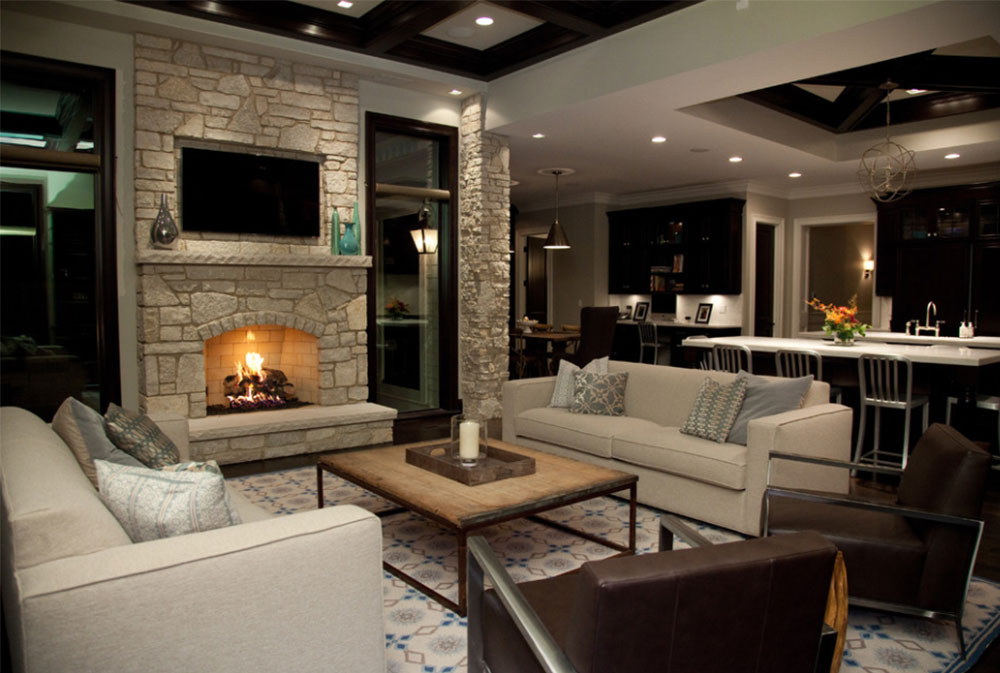
Traditional-Living-Room-by-Oakley-Home-Builder How To Decorate A Large Living Room (36 Ideas)
Image source: Oakley Home Builders

How to furnish a large living room and turn it into a haven of comfort?

In big living rooms, use tall potted plants placed in strategic positions. In a room with high ceilings, place tall potted plants and trees to fill the lonely ceilings. Make sure, however, that the space supports the needs of those plants, including sunlight and airiness. If possible, consult a garden specialist for detailed instructions.

Paint walls with two tones. With tall plants around to accentuate empty corners and high ceilings, you may as well consider achieving the opposite effect on the walls. What you can do here is paint half of the walls with a neutral and cozy color, leaving the upper half plain white. This will trick the eye into thinking the ceilings are even higher.
81N3jRnE3RL._SL1500_-1000x600 How To Decorate A Large Living Room (36 Ideas)

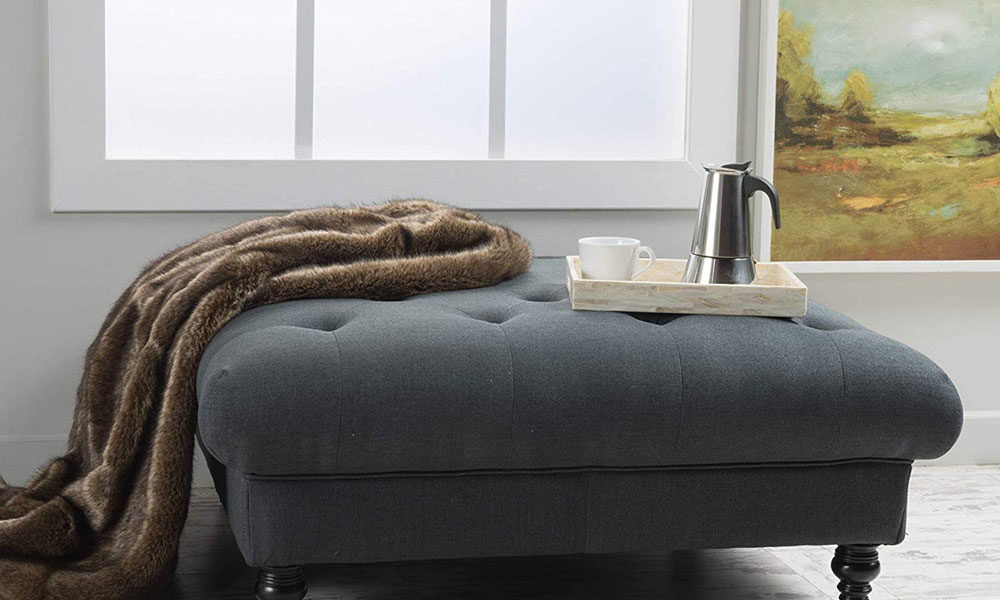
Replace tiny coffee tables with oversized ottomans. A tiny coffee table may not look as pleasant stuck between large seating arrangements, and that's why we recommend fancy upholstered ottomans instead to soften the ambiance.

Get your free ebook!

Subscribe to receive an awesome ebook filled with interior design inspiration that you can use for your home.

Thank you!

One more step is needed. Please check your inbox for the newsletter confirmation email.

c6z3r5?v4a60e9ef938a7fa0240ac9ba567062cb How To Decorate A Large Living Room (36 Ideas)

81uE26QXiUL._SL1500_-1000x600 How To Decorate A Large Living Room (36 Ideas)

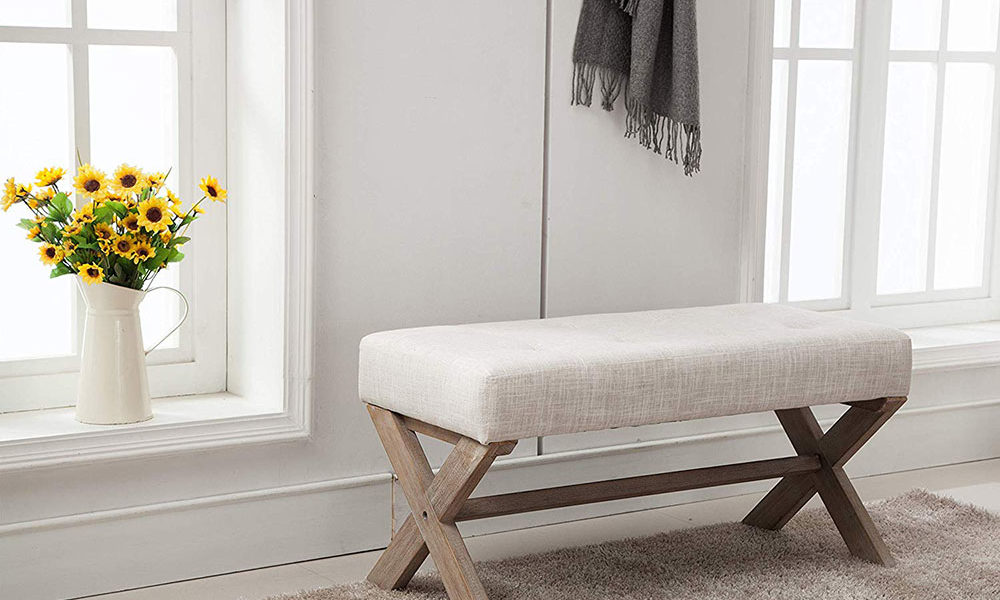
For a great room layout, use a couple of X-benches to complete the seating plan. X-benches and armchairs will look just adorable in empty spots distanced from the seating area, or maybe in front of your rustic fireplace. With more space to organize, you can also consider side tables and footstools to accompany them.
91IxuiMNO-L._SL1500_-1000x600 How To Decorate A Large Living Room (36 Ideas)

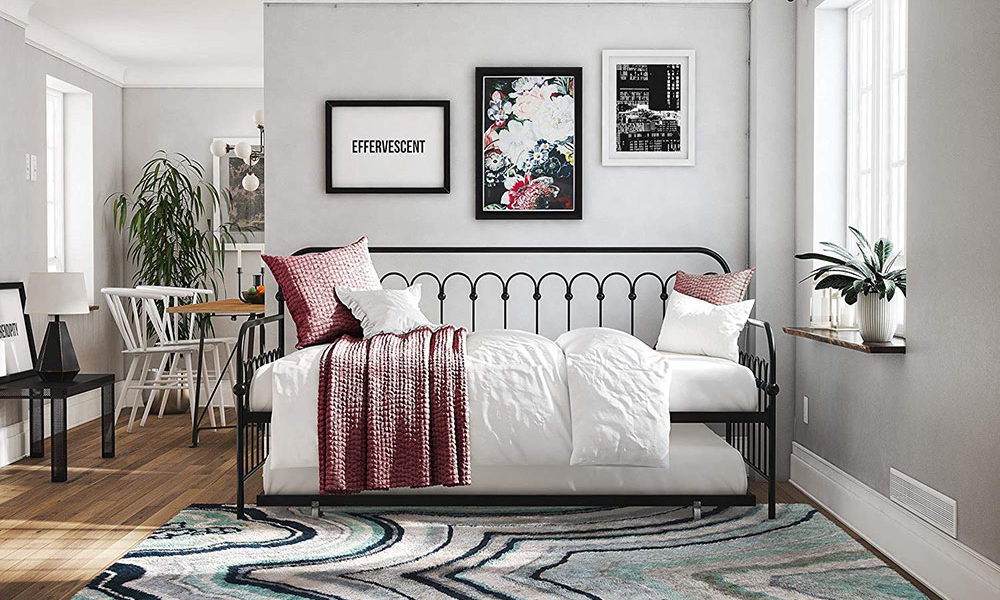
When decorating a large living room, you can always divide the room with daybeds. The larger the living room is, the more you will feel as dividing it into different areas, but instead of doing so the traditional way, we invite you to be creative and use furniture for the purpose. A comfy daybed, chaise, or a bench will all work perfectly for the purpose.
71G484p9WfL._SL1250_-1000x600 How To Decorate A Large Living Room (36 Ideas)

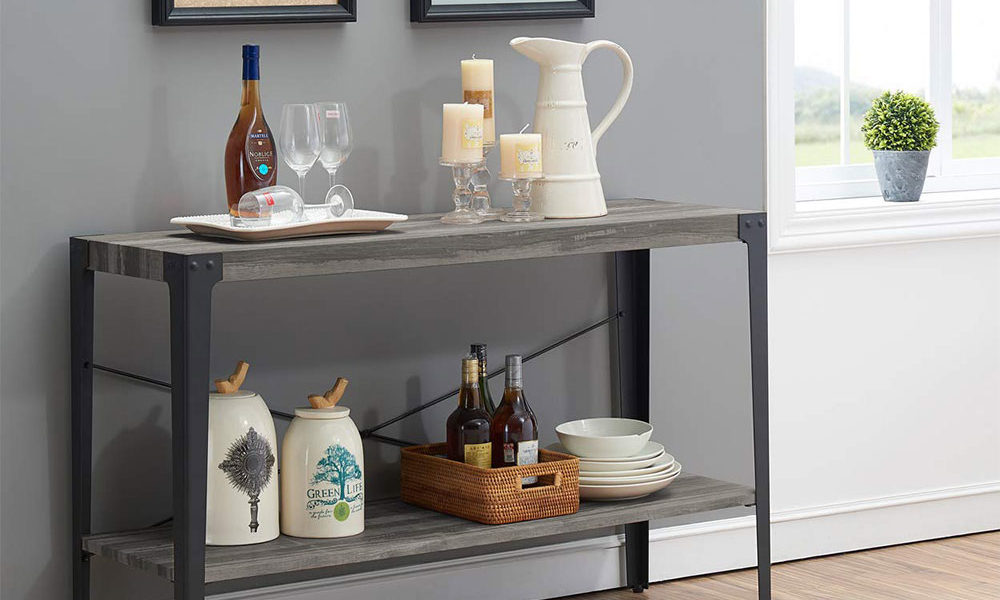
When it comes to large living room layout ideas, you could use console tables to define the zones. The room doesn't have to be clearly divided in order to look sectioned, especially when it comes to defining the seating area. In this case, all you'll have to do is locate an ideal spot for the sofa, and to place a beautiful console table next to it.

81KdcKU6-wL._SL1200_-1000x600 How To Decorate A Large Living Room (36 Ideas)

Hanging decorative screens. A simple trick to turn and open and large spaces into intimate and protected areas is to use decorative and partially folded screen. The best position for them is behind sofas and chairs, so that visitors will have the impression that the room is smaller than it seems.

71Ia615CdFL._SL1200_-1000x600 How To Decorate A Large Living Room (36 Ideas)

When it comes to great room furniture layout, you can use the quick, all-in-one solution: L-shaped sectionals! Despite of being referred to as a fading and outdated trend, L-shaped sectionals work great in a large, modern living room. Even those already considering other seating arrangements as tailored for their space must remember that the comfort provided by L-sections is simply unparalleled.

When it comes to open living room ideas, consider using dual-purpose L-sectionals: Dividing a large room. If you want your L-section to look a little bit less out of style, you can think of giving it an additional role. This may even mean placing it between the living and the diving space and using it as a comfortable divider.

Avoid bare and dead wall spaces. Pulling furniture pieces off the walls and arranging them in the center of the room will help make a large room feel cozier and more inviting. However, don't make the mistake of leaving walls bare – use artwork and paint to make the most of the space you have available. Huge wall décor will add interest to a large living room.

Here comes a unique living room arrangement: Pull a small coffee table against a bare wall, and surround it with a couple of benches or comfy chairs. Hang frames arranged in a neat grid, get a small plant, and lay your favorite books and magazines around it. How more delightful can your living room be?

If you're thinking of how to set up living room spaces which appear empty, bring in some extra chairs. Occasional chairs in large living rooms will not only secure extra seats for large gatherings, but also make use of your surplus wall space. Couple them with a tiny console table, and place mirrors and artwork around for an even more elegant look.

In great room design, a large room should be as comfortable for couples as it is for large groups. Before you start designing your living room, consider all possible scenarios in which you're going to use it. You should, of course, be able to host large groups and throw parties, but that won't always be the case.

For unique big room ideas, use your side table creatively. Instead of dedicating your cozy side table to friendly coffee meetings and relaxing reading afternoons, turn them into dinner zones for two. Don't forget to use decorative trim on the walls to define the area.
Bay-House-by-McClellan-Architects How To Decorate A Large Living Room (36 Ideas)
Image source: McClellan Architects

Large living room ideas

Use color to set the mood

The feeling of your guests while spending time in your large living room will depend predominantly on the colors you've chosen. You can use different shades to relax or energize your space and set the right tone and intensity you think would be suitable for the room.

For instance, whites, neutrals, and soft blues create serene schemes for calm and relaxing areas and are thus considered a perfect choice for elegant and formal gatherings. In order to avoid a cool and uninviting scenario, soften the room with a light and balanced carpet.

If you're not sure of the colors you'd like most, explore a range of large living room pictures, picking out those that appeal to you until you start to see a pattern.

Don't leave ceilings and walls unfinished

Statistically, it is large living room design ideas that are most elaborated and formally treated in every home. We all consider living rooms as a transition between the private and public space and tend to make them as welcoming and comfortable as possible.

Skyline-Gliding-Window-Panels-by-Stocks-Draperies How To Decorate A Large Living Room (36 Ideas)
Image source: Stocks Draperies

Living rooms, however, should also reflect who we are and what we stand for, and the best way to convey such messages is to treat wall coverings accordingly.

There are many décor ideas for large wall surfaces.  Wall coverings create atmosphere. For some people, this will be murals and chic prints, for other artwork, while for most warm patterns and textures that make the walls look sophisticated.

Consider architectural trim work to beautify the room

There are many reasons for homeowners to consider trim work, including the need to cover the seams between the ceiling and the walls, and to accentuate the architectural structure of walls, doors, and other openings.  Even in a large living room layout, small touches make a big difference.

Modern-Luxury-With-A-View-by-Giffin-Crane-General-Contractors How To Decorate A Large Living Room (36 Ideas)
Image source: Giffin & Crane General Contractors

Rather than purely practical, trim work also serves aesthetical goals, including the need to give your room a distinctive character, be that the one of a classical or a modern, minimalist setting.

Other large living room design ideas include projecting lintels over your windows and doors, install deep cornices and beam the vaulted ceiling to turn a whitewashed living room into an actual living space.

Install floors that are stylish, but also practical

Emphasizing the idea that living rooms are high-traffic areas, we will try to draw your attention towards adequate flooring coverings able to sustain wear and tear. Living room spaces should be comfortable and flooring should be solid, durable, and beautiful, supporting the rest of the décor ideas you've implemented.
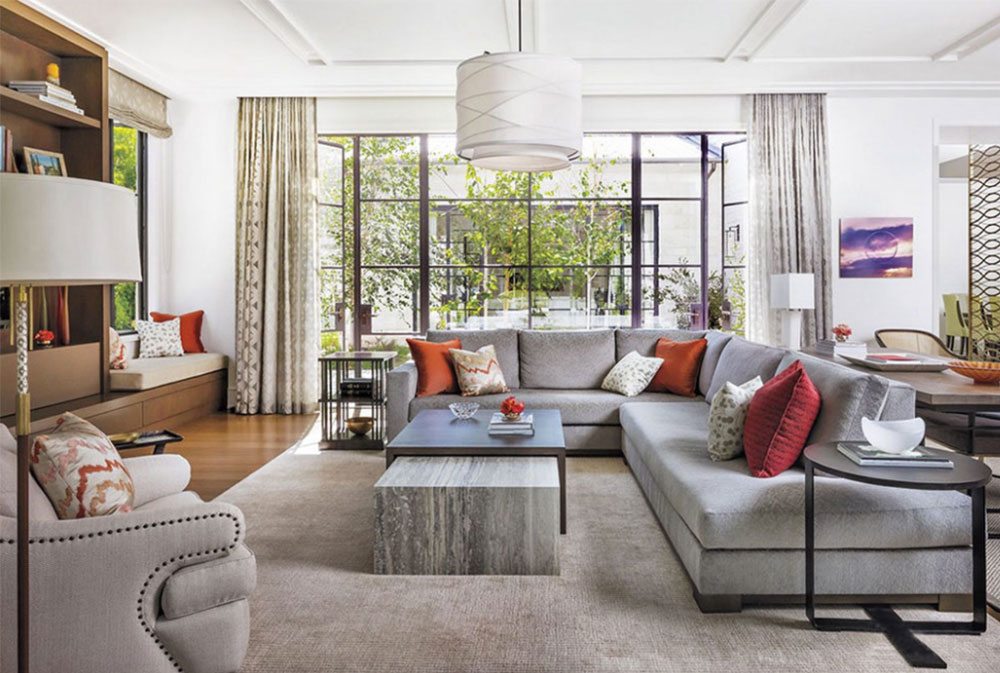
Palisades-Modern-by-Niche-Modern How To Decorate A Large Living Room (36 Ideas)
Image source: Palisades Modern

We also suggest wall-to-wall carpets with stripes and floral prints for a vibrant living room area and energizing scenarios.

In most cases, however, owners will prefer something calmer and less bold for their large living rooms. We recommend neutral and solid floors that won't distract viewers from your furniture or artwork. The preferable option would be light hardwood decorated with cute area rugs, as well as ceramic tiles, carpets, and stone flooring.

Choose a central element

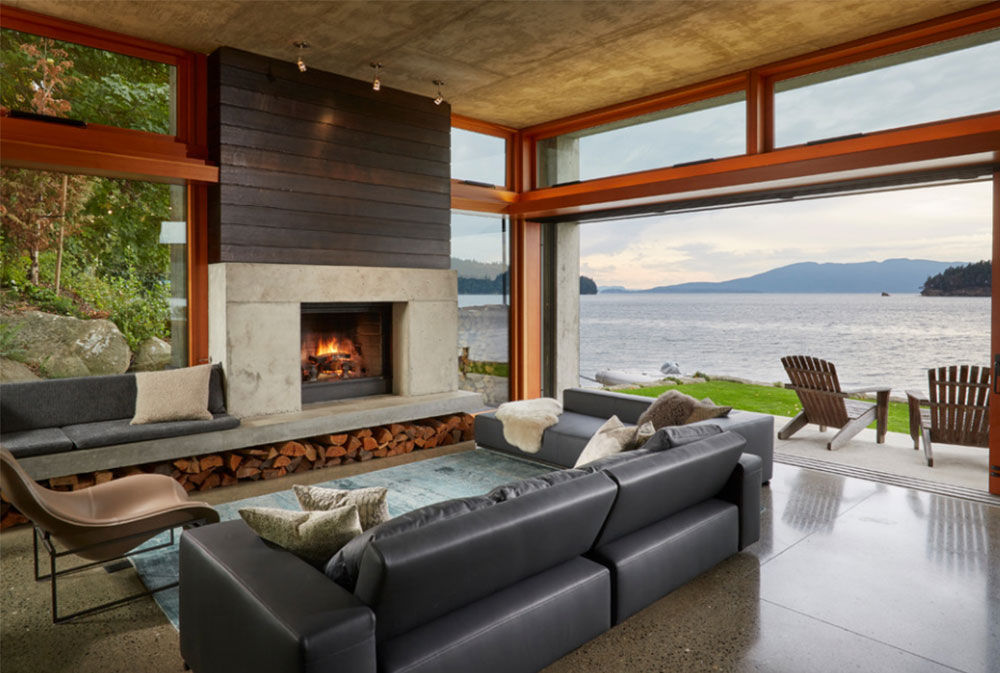
Every large room needs a focal point anchor that brings it together, be that an oversized ottoman or a rustic fireplace. Fireplaces, in particular, symbolize family values.  In a cozy living room with TV, a fireplace and may even divert attention away from a large TVs and similar tech widgets.
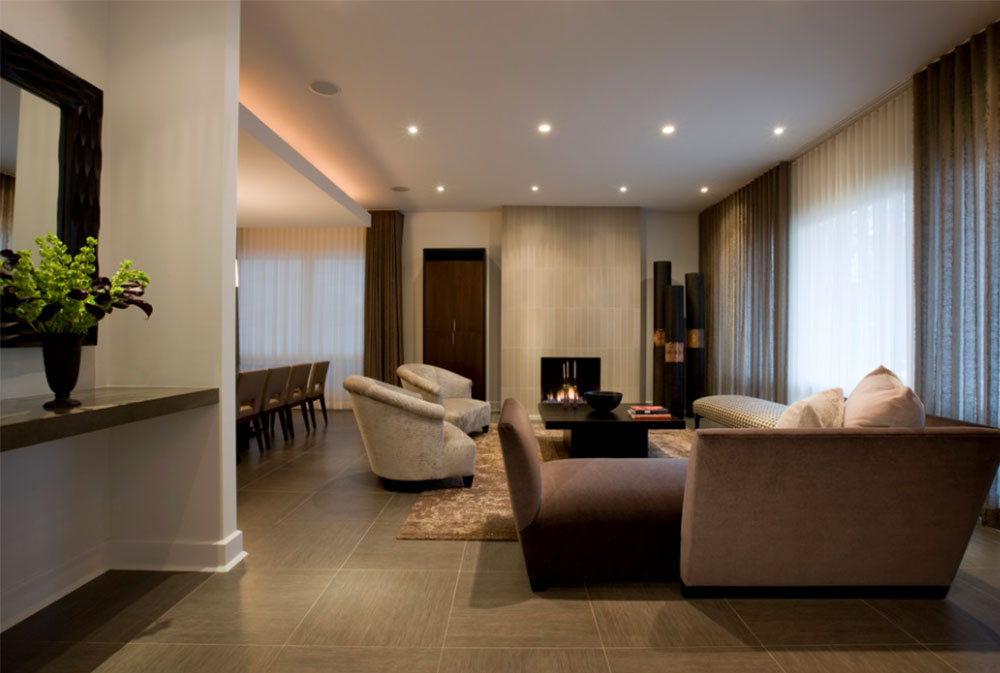
Honore-Contemporary-Living-Room-by-Michael-Abrams-Limited How To Decorate A Large Living Room (36 Ideas)
Image source: Michael Abrams Limited

If you find it difficult to choose the most stunning piece for this role, combine several of them, especially if you have a large artwork collection that you want to display. Breathtaking window views and large art pieces can also assume this role, and give the room a chic look that won't break the bank.

Turn the living room into a conversation area

Regardless of your lifestyle, your living room will mainly be used for gatherings and interaction, and this is exactly what your furniture arrangement should promote.  Big living room furniture will create a comfortable and plush space for conversation.

To create comfortable conversational spaces, pull seating elements closer or have them facing each other, setting the mood with appropriate lighting.
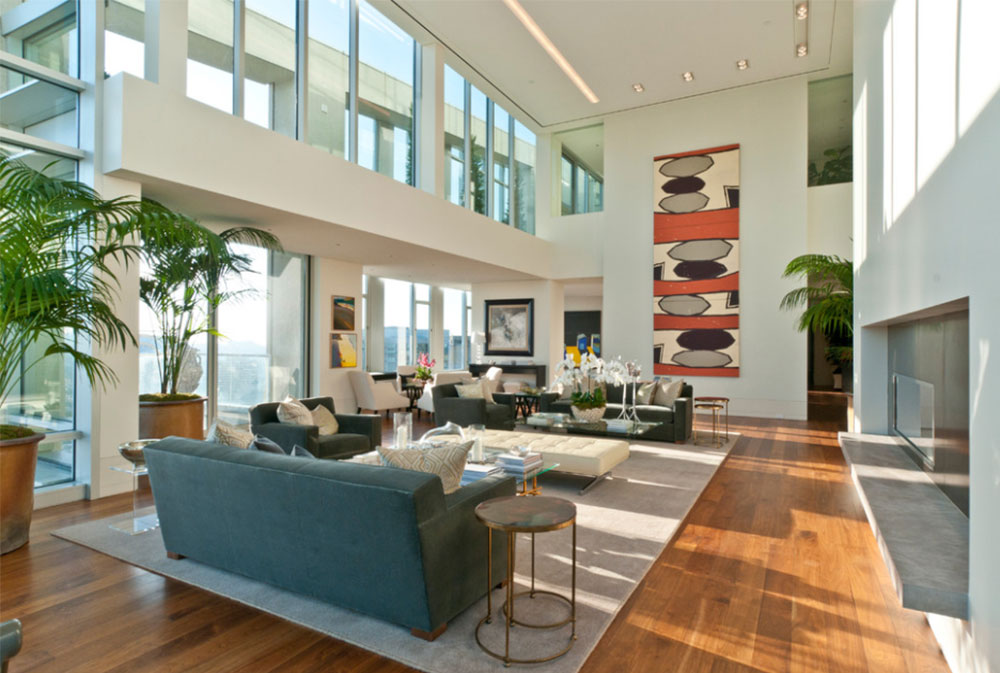
Arthur-McLaughlin-Associates How To Decorate A Large Living Room (36 Ideas)
Image source: Arthur McLaughlin & Associates

Extra large living rooms can even have more than one conversation area, each of the intimate and specific in its own way. Another smart idea is to bring extra chairs and benches to secure enough space for everyone who wants to join the conversation.

Cozy nooks in large living rooms are attractive for this purpose.  Think of arranging a couple of chairs around a fire, for example. Use sites such as Pinterest to explore how to place furniture in a room.

Plan lighting in advance

One of your key priorities in large living room design will be to plan the distribution of illumination, namely to install several purpose layers, and position sources in a rough triangle to ensure both a relaxing and an entertaining setting.

If looking to encourage people to rest, go for subtle table lamps and overlapping arcs, as they will redirect lights on the seating arrangement instead of the wall, and attract people to sit without you saying anything about it.
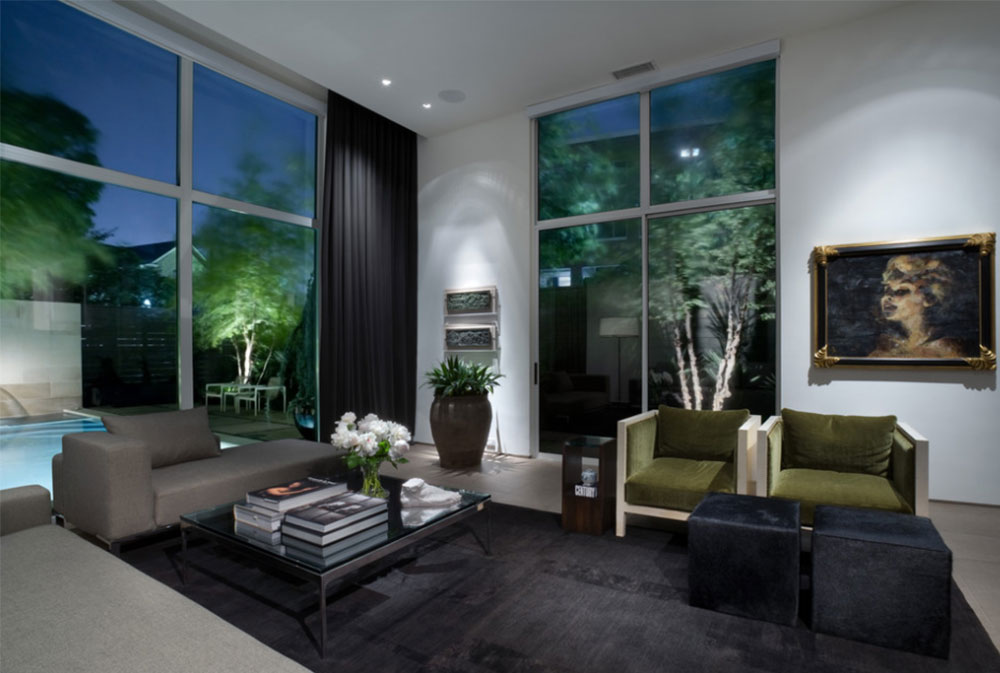
Lee-Avenue-Residence-by-R-Brant-Design How To Decorate A Large Living Room (36 Ideas)
Image source: R Brant Design

Plan your window treatments

Years ago, formal living rooms were unimaginable without heavy drapes and window treatments, but recent design trends reimaged the concept of luxuriousness. Today, elegant room owners prefer their floor-to-ceiling curtains combined with light and relaxing shades, as this solution looks elegant without overwhelming the eye.  In a living room with big windows, this keeps the room looking light and airy.

Another way to achieve an elegant look is to use fabrics generously. Instead of spending a fortune on expensive materials, use paddling ends and folds to send the very same message. This way, you will also have privacy and block light from disturbing a relaxing afternoon.

Get your own media center

For a large family room, design ideas will revolve around watching TV and making use of media. This is why tech gadgets are nearly always integral parts of these rooms, even when you can't afford the newest technologies.
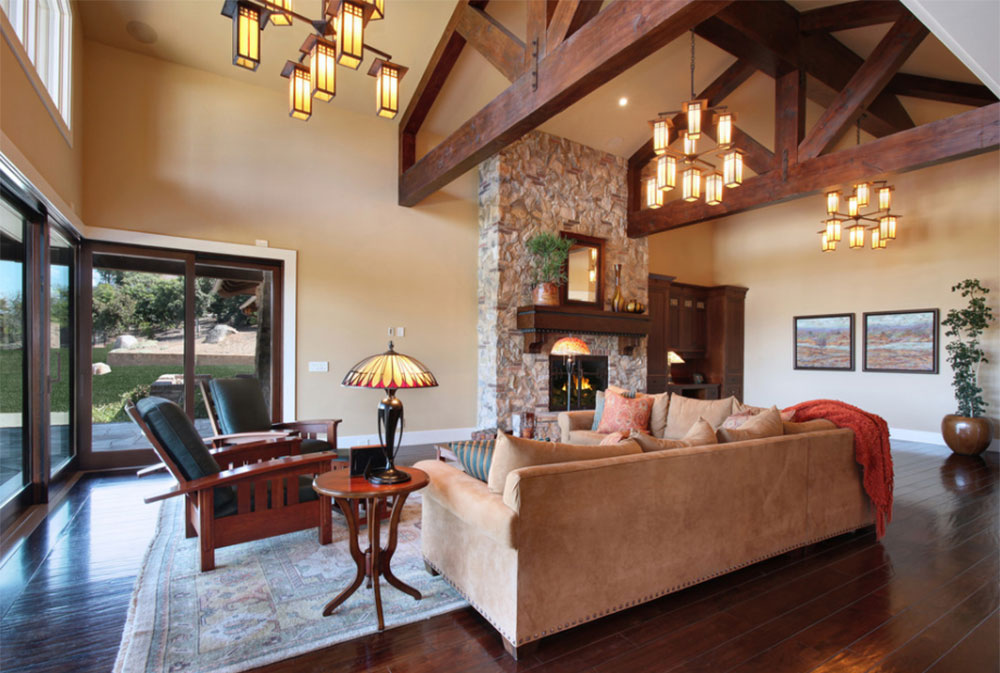
San-Diego-Craftsman-by-Studio-6-Architects How To Decorate A Large Living Room (36 Ideas)
Image source: Studio 6 Architects

The best place to accommodate your media gadgets is a beautiful, built in bookcase.

Display your artwork collections

The best way to bring living rooms to life and to make them more personal is to display favorite memorabilia and expose favorite art collections we are proud of. For a maximal impact, group the pieces you love and relate them to your furniture, making sure they're not placed too high or too low.

How to decorate a large living room: Top furnishing ideas for creative owners

The central role of coffee tables

Great room furniture ideas always include coffee tables.  Even when not a focal piece, a coffee table has an inexplicable capacity to gather all attention around it. The problem is that these tables are usually too small to make a large living room feel compact, which is why you should always combine them with several armchairs and sectionals.

Multiple seating settings instead of one

Another trick that helps soothe the effects of your room's size is to arrange furniture in several seating areas, including reading card tables, mini diners, comfy window nooks, or fireplace sofas.  Placing furniture in a room in this way will create a number of cozy areas to enjoy.
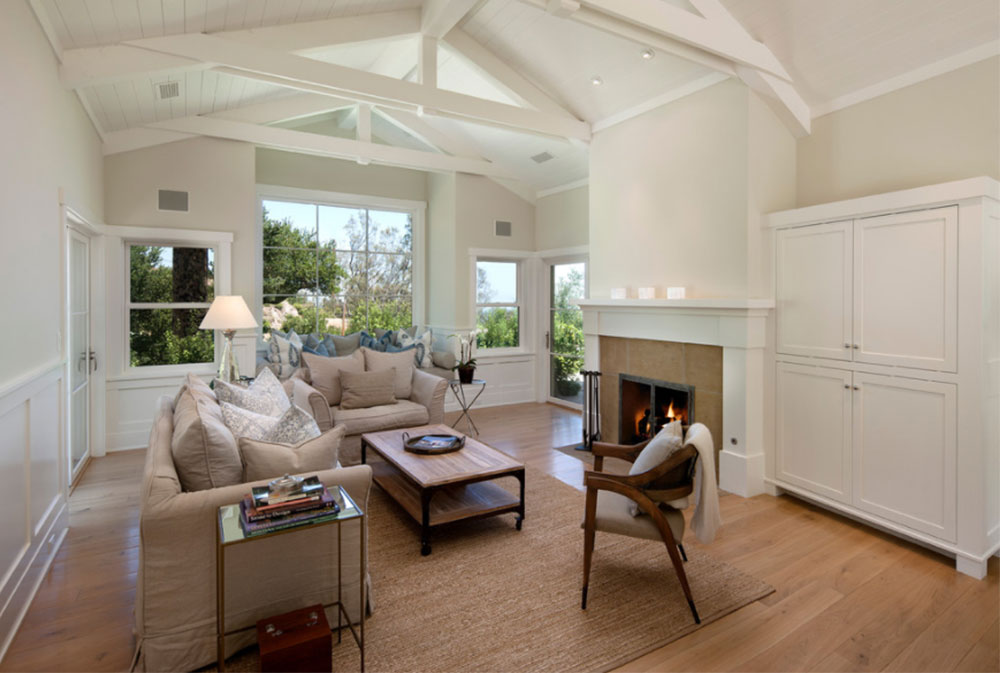
East-Mountain-by-DD-Ford-Construction How To Decorate A Large Living Room (36 Ideas)
Image source: DD Ford Construction

Placing furniture close to the wall

You've started furnishing the room, and concluded that you're actually working with less space than it takes to accommodate all of your pieces.

In such case, you can still emphasize the size and airiness of the room by leaving the central zone uncluttered and pushing the sitting area furniture closer to the walls. Rooms with curved windows look particularly well arranged in this way.

Your priority is comfort

You can spend a fortune on designer furniture and keep in line with all the newest trends, but it will be worth nothing without the comfort living rooms need.

This is why cozy and casual designs are so common, including such where owners pair different sets of accessories and make unexpected choices.  Large living room sofas are often plush and roomy so that owners can lounge in comfortable seating while reading or engaging in conversation.

Make the most of your view

While arranging the furniture, consider the sources of natural light, and try to direct it towards the main interaction areas. You mustn't ignore large living room windows, so make sure you've positioned some (if not all) seating arrangements around it.
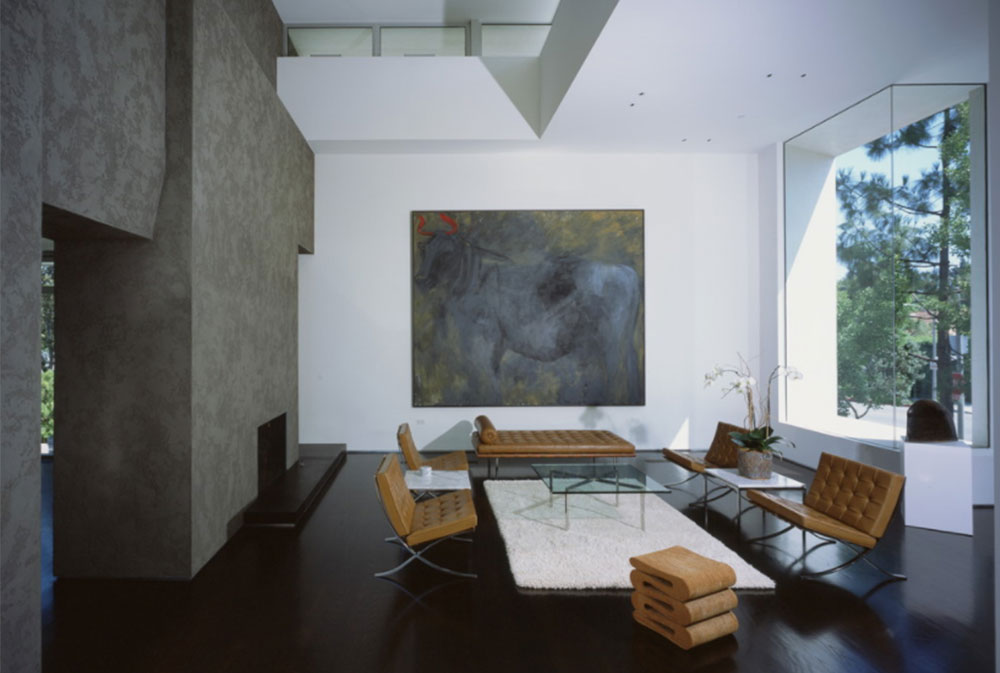
Boxenbaum-Residence-by-Ehrlich-Yanai-Rhee-Chaney-Architects How To Decorate A Large Living Room (36 Ideas)
Image source: Ehrlich Yanai Rhee Chaney Architects

For an even better effect, install skylights above the interaction zone, and take full advantage of what they have to offer.

Use the calm shades of white, gray, and aqua blue

Warm colors may energize a living room and bring it to life, but there is one thing they certainly won't do – help it to visually expand in the desired direction. This effect can be achieved with calm and neutral colors, ideally applied in similar nuances on walls, trims, and doors.

What you'll be doing here is dismissing the effect of corners, and helping the eye move unobstructed from one area to the other. To understand this, think of a plain white room with a blue door and one with a beige door instead. Which one would look larger?  Light, bright colors will create the appearance of a giant living room.

Give bookshelves the role they deserve

When decorating a big living room, bookshelves are a great help when decorating large wall space areas.  Order tailor-made and inbuilt shelves instead of buying such in stores, as even the most beautiful pieces may look stumpy, and leave undesired inches of empty space between their top and the ceiling.
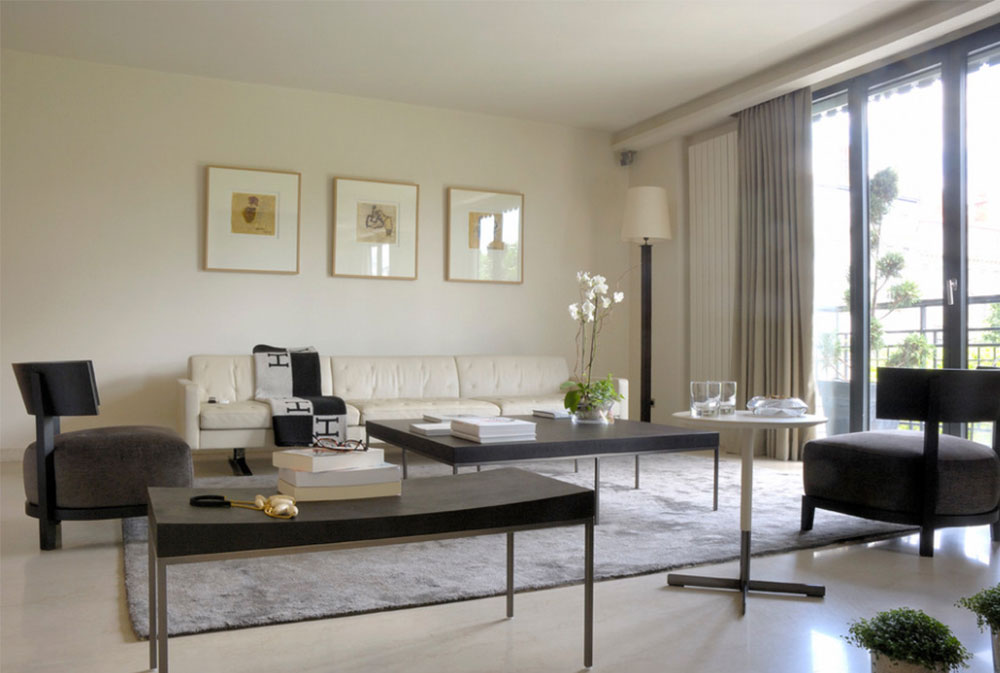
Mes-Realisations-by-Modulis-Vendome How To Decorate A Large Living Room (36 Ideas)
Image source: Modulis Vendome

Naturally, the eye will stop as soon as the shelves stop, and this will give viewers the impression that your ceilings are lower than they actually are.

A smart way to fill this gap is to add custom pieces above or crowd molding instead, as long as the style and the color match perfectly. We also recommend wall mirrors behind the bookshelves, as they can reflect light and make shelves look deeper than they already are.

Eliminate empty corners

When decorating a large living room, the best way to decrease the lovely effect of empty corners is to make use of them, by simply placing a potted plant or installing few shelves instead. Smaller rooms, nevertheless, may benefit from empty corners, as owners will find it easier to move around and to maneuver their vacuum cleaners.

Make use of vertical space

There is a reason why all designers recommend hanging curtains as high as possible. Doing this, you will be maximizing the effect of your living room's height, and distract attention from your limited horizontal space.  High curtains and attractive drapes are a great way to answer how to decorate a huge wall.
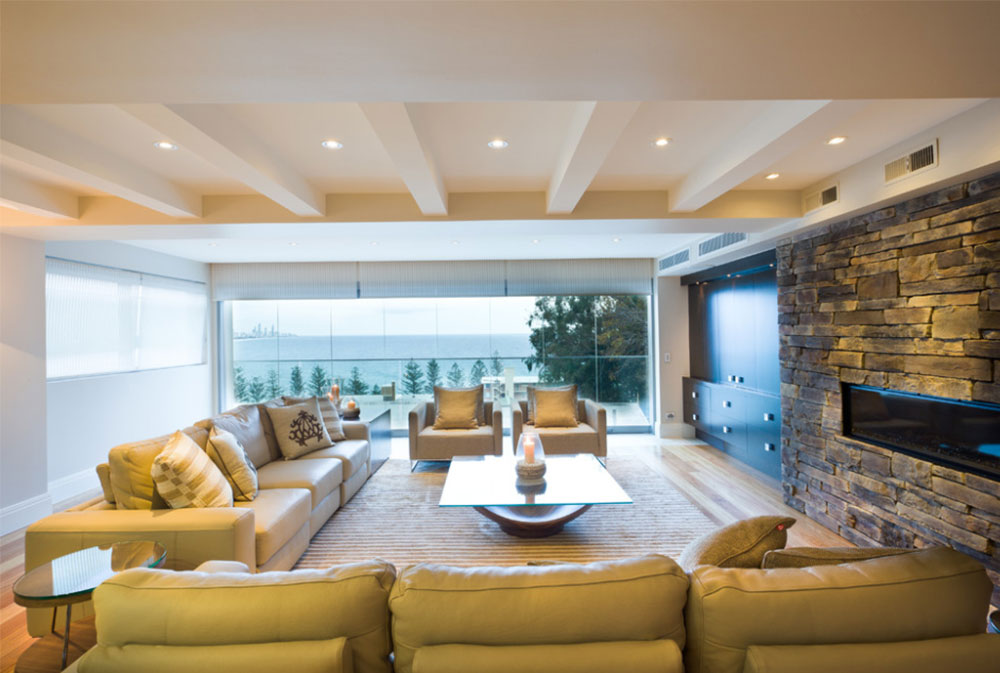
Contemporary-Interior-by-Michelle-Marsden-Design How To Decorate A Large Living Room (36 Ideas)
Image source: Michelle Marsden Design

We warmly invite you to check Grommet-topped drapes which are practically united with the ceiling (their rod actually treads through the shish kabob and similar fabrics), and naturally draw visitors' eyes upwards.

Obviously, you can't expect this trick to turn an 8 feet ceiling into a cathedral, but the effect will still be amazing.

Choose furniture with the right size and style

The main benefit of owning large living rooms is being able to buy oversized furniture, foremost speaking of your new, ultra-comfortable couch you just can't wait to try.

Delicate pieces will look out of place and proportion, but you should still try to strike a balance between large and slimmer pieces (smaller leather chairs next to the supersized sofa or a tiny coffee table) in a large open living space.

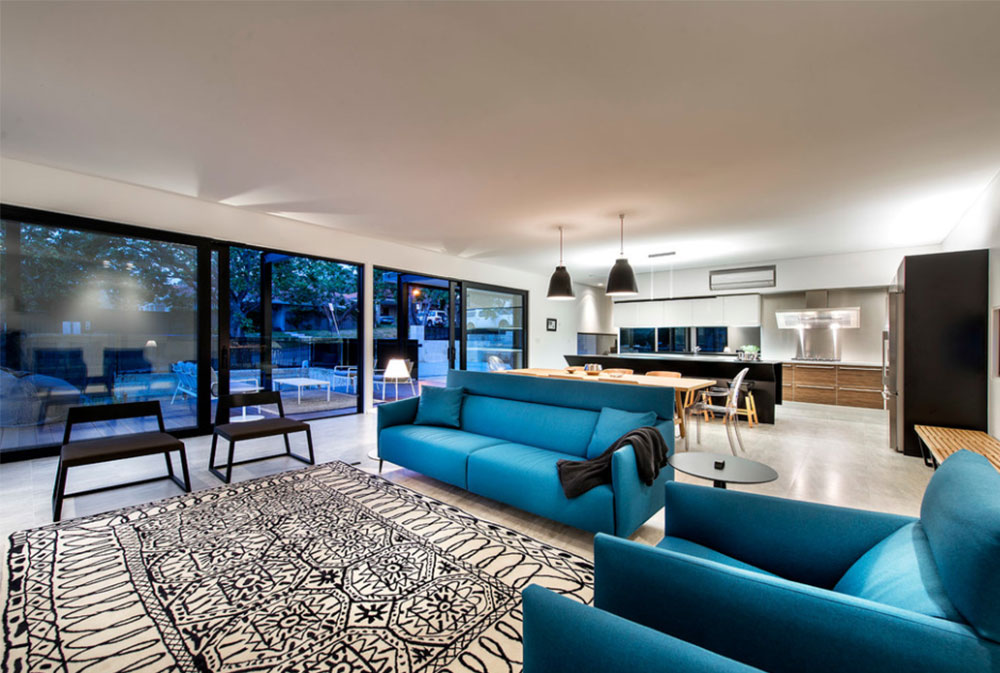
As for the sofa, designers are becoming particularly fond of bench-set alternatives, namely the ones with large and continuously arranged cushions instead of separate seats, as these can accommodate more people, and provide a specific feeling of closeness and community.
Warden-St-Residence-by-Mata-Design-Studio How To Decorate A Large Living Room (36 Ideas)
Image source: Mata Design Studio

If you are aware of the fact that people generally dislike sitting in the middle, what makes you think they'd opt for cracks between cushions?  This is worth exploring when furnishing a large living room.

Don't forget mirrors

The magical capacity of mirrors to reflect light and make rooms look bigger has turned them into sacred and fundamental rules of décor when it comes to big living room wall ideas.

But as it happens with every rule, this one too has its exceptions: mirrors that reflect and overlook bookshelves and busy areas will only make the room cluttered, so make sure you position them close to light sources, or opposite large windows.

Open and spacious living rooms make visitors feel relaxed and comfortable, which should be your driving motive when putting together large living room ideas.

As experienced designers point out, there are many ways to make a large living room stylish and modern, but they all prefer an elegant setting to support the cozy and homey ambiance.
Jetties-House-by-Chip-Webster-Architecture How To Decorate A Large Living Room (36 Ideas)
Image source: Chip Webster Architecture

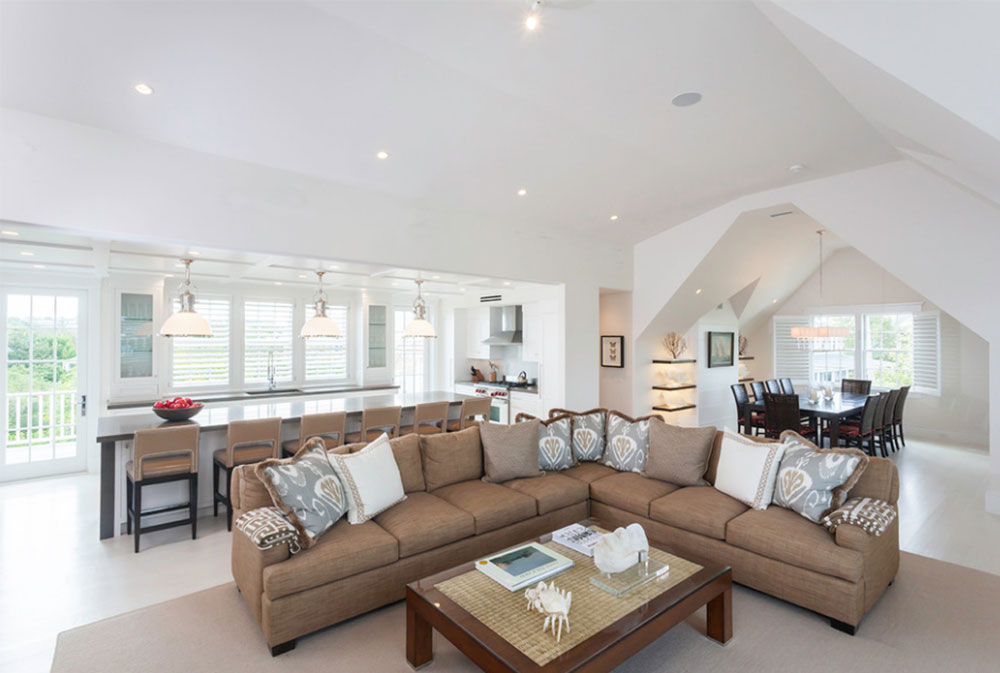
The first and foremost trick to adopt from them is how to divide a large room into separate areas, so they can serve several different purposes at once.

Colors also play a critical role in the rooms' mood, as dark and bold tones make them look masculine and formal, while nature-inspired and neutral ones add value to the welcoming, casual concept.

If possible, designers also recommend stone and brick textures to convey the welcoming message in an unobtrusive manner and invite you to consider different patterns and layers to make the room interesting.

If looking for a formal and elegant scenario, you should use different shades of blue, and combine classical pieces of furniture. They advise you to avoid displaying too many cabinets as these may distract attention from the central piece, and make the room look crowded and busy.

A multifunctional cabinet that stores stuff and displays your artwork would be a much better option, they agree.
Mill-Valley-by-Rasmussen-Construction How To Decorate A Large Living Room (36 Ideas)
Image source: Rasmussen Construction

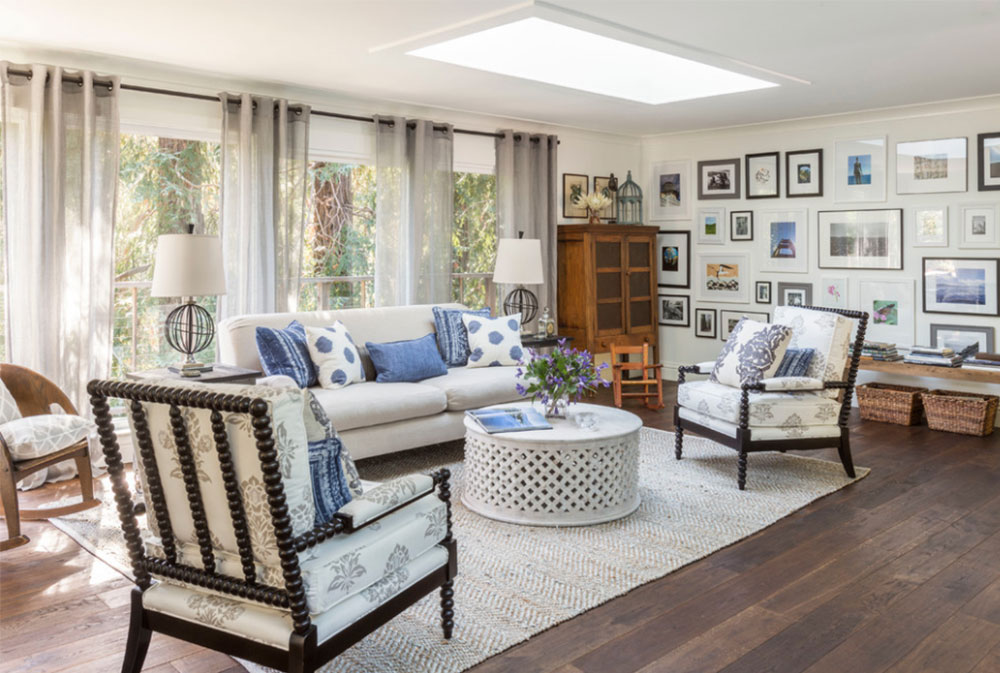
Last, but not least, they invite you to utilize the most of natural light reaching your room, meaning keeping large windows open and decorating their surroundings with beautiful accents.

They also recommend beautiful chandeliers for a pleasant glimmer in the evening, and low-hung pending lights that support the interactive character of the room.

Get inspired by both modern and elegant interiors

According to experienced designers, the trick to how to decorate a large room is simple: you have to look at both elegant and modern interiors and combine the best of both worlds. These styles have something to offer to each homeowner out there and burst of brilliant design ideas that turn living rooms into havens of good taste.

Choose a scenario you like, and bring in the right textures, furniture, and decorations.

Here are some more huge living room ideas:

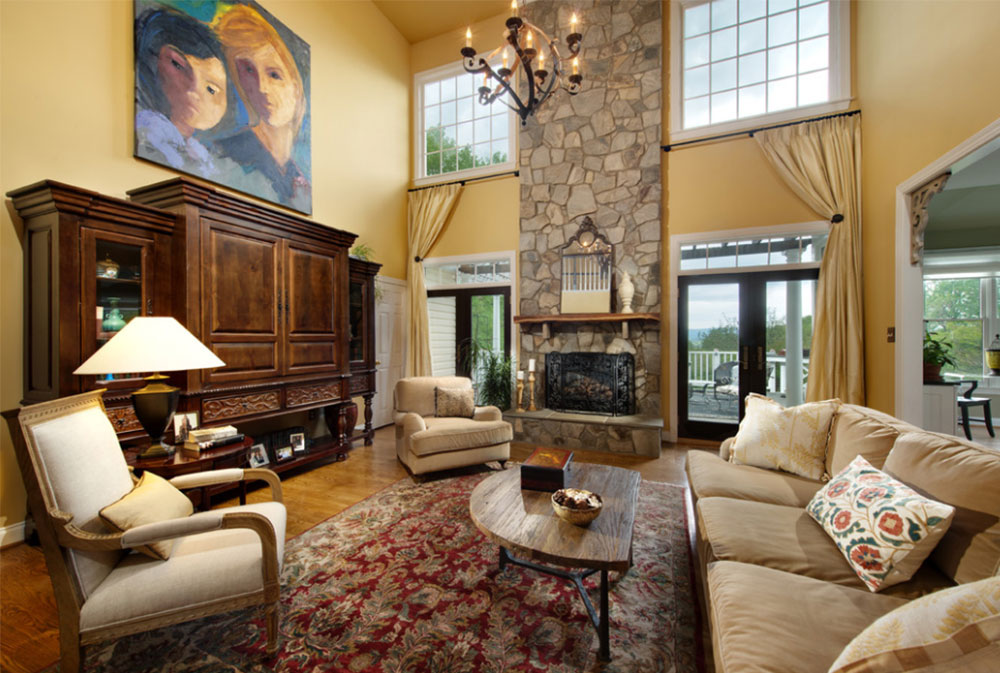
Get a rug of the right size: Every living room needs a plush rug to support its comfortable and inviting character, which is why such are available in all colors, fabrics, and designs. The criterion that matters the most, however, is the size.
Great-Room-by-Liza-Jane-Interiors How To Decorate A Large Living Room (36 Ideas)
Image source: Liza Jane Interiors

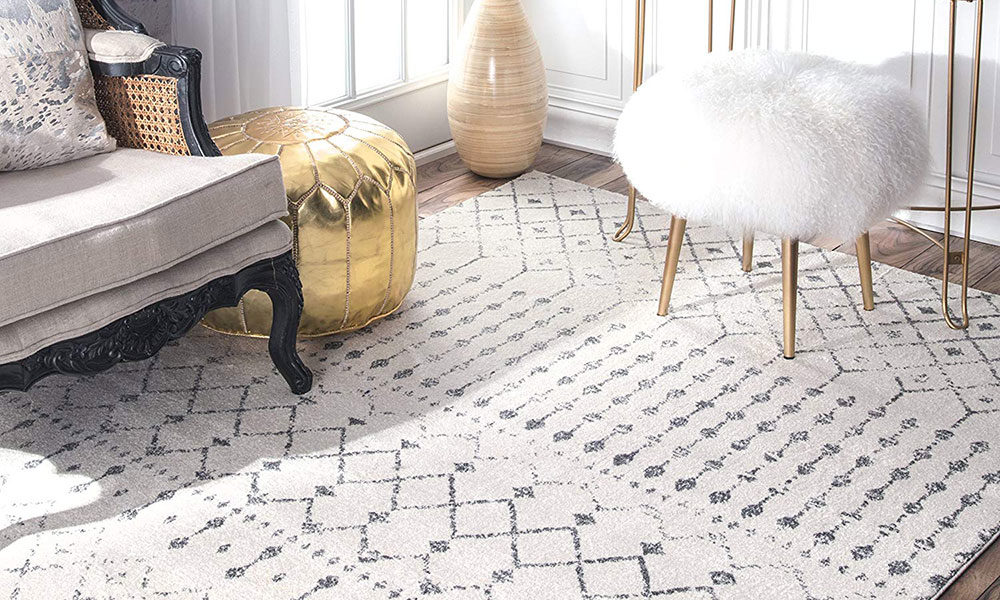
When you decorate a large room, you'll be better off with a larger rug, as it will accommodate the main furniture elements, and complete the looks of the seating area. Depending on the colors you've chosen so far, you can opt for a vibrant and energizing material, or get a natural, fiber piece in natural hues.
A1XgyXC1aRL._SL1500_-1000x600 How To Decorate A Large Living Room (36 Ideas)

A bonus tip: 8-to-10 feet is the standard size for a rug, be it that you're buying it for a small or a large living room. In a tiny, cozy room, this rug will complete the look and give it a more comfortable feeling, while in large rooms it will serve to distinguish between different areas or fill empty and lonely zones.  Use a rug when decorating a great room.

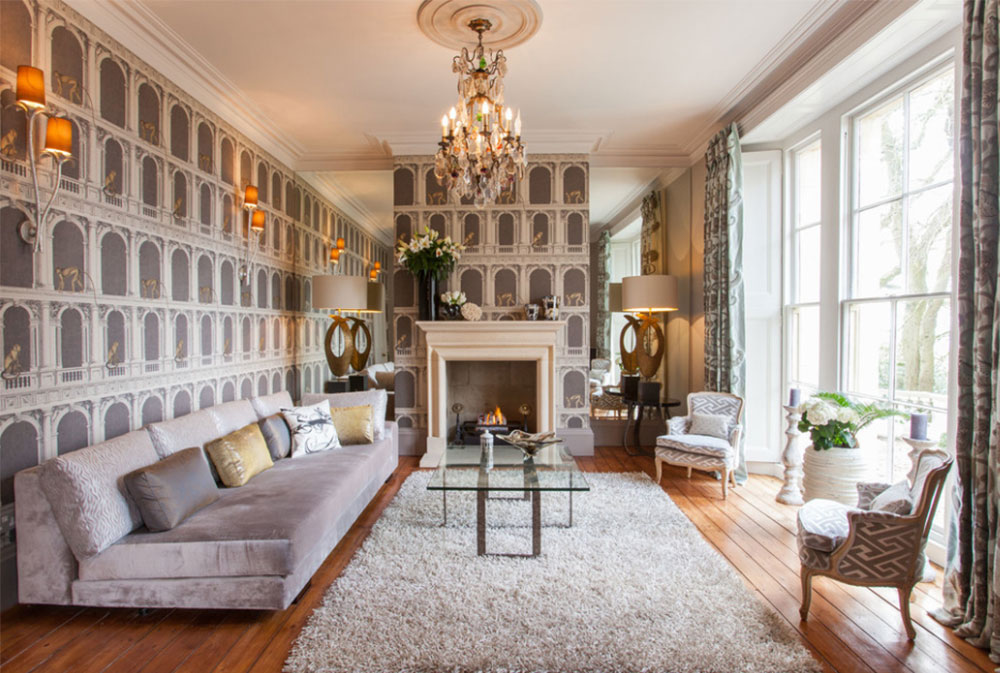
Get down to shelving. Large rooms will look great even with wall-to-wall shelving, depending on the intended use and tone you're trying to set. Instead of purchasing pre-made pieces that may not fit the scenario, you can opt for more affordable custom solutions, and bring in free-standing shelves for a stronger personal statement.  Custom shelves are great for a big living room because they create a clutter-free space.
Lincolnshire-Manor-House-by-Sophie-Peckett-Design How To Decorate A Large Living Room (36 Ideas)
Image source: Sophie Peckett Design

A bonus tip: Mix closed cabinets with open shelves, as in such a way you can store all less attractive utilities, and expose elements that deserve attention. Make sure, however, that your free-standing shelves are properly anchored and secured, and that there is a minimal chance for them to fall over and hurt someone.

71mDh4JvLL._SL1500_-1000x600 How To Decorate A Large Living Room (36 Ideas)

Get a low pendant light. Low and oversized pendant fixtures are among the most welcoming features for large living rooms, usually combined with flush-mount fixtures in other areas and zone lighting on the floor.

The lower the pendant hangs,  the more convivial and warm the conversations will be, and people will simply wish to stay longer and chat with you.

A bonus tip: Creative homeowners who tend to get bored with their furniture arrangements and constantly change their large living room designs should avoid low pendant lights. These fixtures take time to get used to, and the last thing you want is to be bumping into them each time you switch their position.

Minerals-by-Metricon How To Decorate A Large Living Room (36 Ideas)
Image source: Metricon

Stylish surfaces. The key trick here is to combine three types of elements: Vertical, flat, and organic. This is the perfect formula for stylish surfaces, including the shelves and coffee and console tables.

  • Flat: Textiles, trays, platters, and books
  • Vertical: Sculptures, vases, paintings, and other framed works of art
  • Organic: Plants, flowers, shells, stones, and driftwood samples

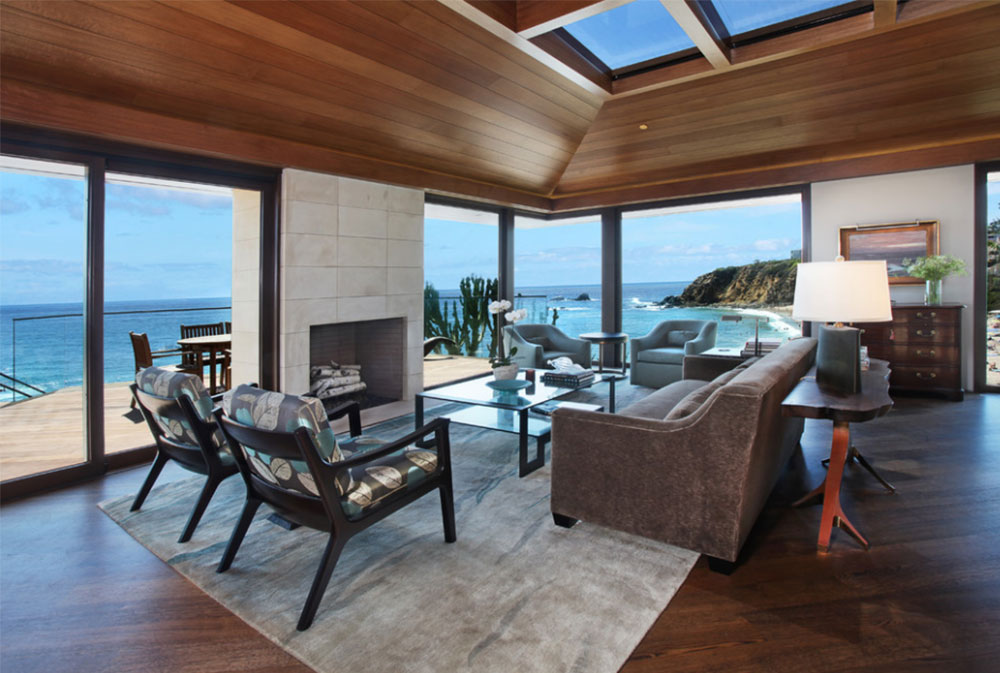
Change the shape of your sofa. Second-time living room designers will intuitively go for pieces shaped like the ones they already have, and that's where they usually go wrong. The reason you're actually remodeling is to change the mood of your place, and keeping the same shapes won't help do that.

91DD4vFjoVL._SL1500_-1000x600 How To Decorate A Large Living Room (36 Ideas)

With the sofa, in particular, you can transform the entire tone of the living room, setting it to formal with chesterfield-structured, sharp-line, and higher models, or to casual and laid-back with oval, squishier, and lower ones.  Explore how you define furniture for great rooms, exploring a range of new ideas until you find those that appeal to you.
Gary-Finley-Design-by-Jeri-Koegel-Photography How To Decorate A Large Living Room (36 Ideas)
Image source: Jeri Koegel Photography

Bring your old couch to life. We all know it is easy to splash out on brand new furniture, but why not preserve the pieces that have sentimental value?

An old couch that reveals a wave of memories can undergo a modest makeover (in most cases, a simple slipcover replacement) and look even better than a new one.

For a simple and easy change, tuck over some gorgeous textile, and hide the tear and wear in a single move.

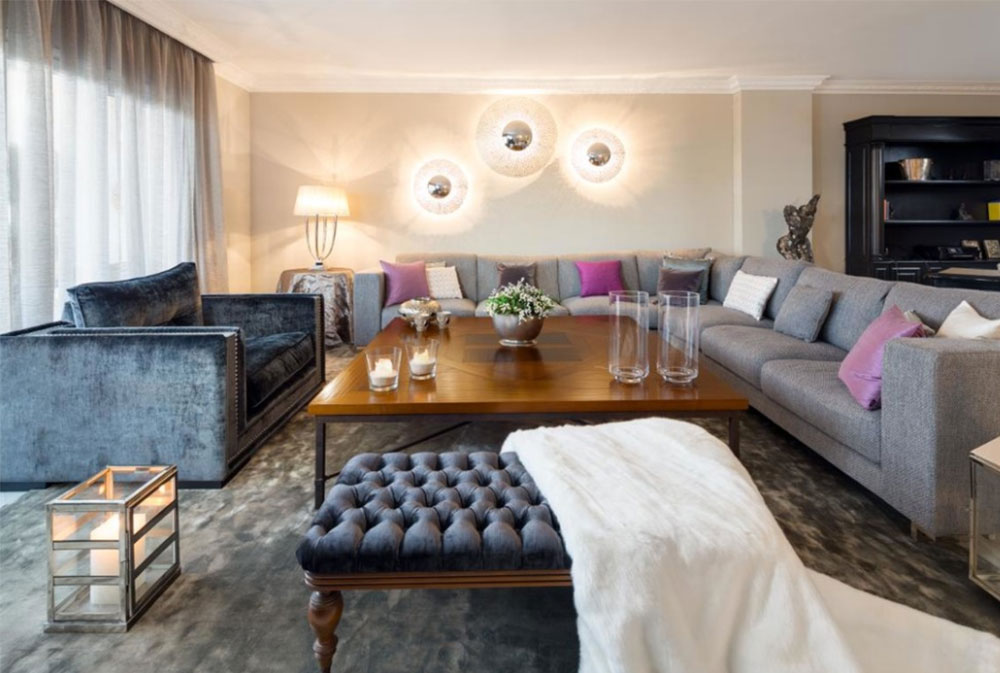
Use sconces to save floor space. Sconces will not only free much of the floor area, but also support the moodier atmosphere of your parties and gatherings, and display your artwork in the exact gallery mode you've imagined.

Restrict the color scheme. What your color palette should ideally do is to make the room look better organized, clean, and carefully designed.
Monte-Paraiso-by-Ambience-Home-Design-S.L How To Decorate A Large Living Room (36 Ideas)
Image source: Ambience Home Design S.L

This is why you should opt for a single background color (potentially a neutral one), another matching color for the main features, and restrictively used accent hue when decorating large rooms.

A bonus tip: Before you continue, make a photo of your living room to have a fresh and clear perspective of what you're working with. Once you take a second look at that photo, you will understand the effect of the colors you've used so far.

Layer patterns and textures. You've painted, furnished, and accessorized your large living room, but you still feel as if something is missing inside. The issue will most likely be texture, so try to add such on several layers, and let it turn the place into a comfortable and livable area.

Here are some of the textures you can match and mix to finish your living room décor:

  • Softer: Pouf, cashmere blanket, velvet, knit throw, mohair throw, and faux fur
  • Nature-inspired: Driftwood, burl wood, raw wood, stone, and handmade ceramics
  • Shiny: Mirrors, shiny metals, Lucite, and different types of glass
  • Rough and rustic: Burlap, sisal, linen, seagrass, wicker, and natural fiber
  • Smooth: Polished wood, lacquer, and leather pouf

Get a massive mirror to expand the space without remodeling. When positioned in the right place, a large wall mirror will play the role of an additional window, and add light and visual space, giving you the appearance of a massive living room.

An enhanced effect can be achieved by putting lamps around it or displaying plants for a fresh and natural setting.
Project-1-by-Williams-Custom-Art-Builders How To Decorate A Large Living Room (36 Ideas)
Image source: Williams Custom Art Builders

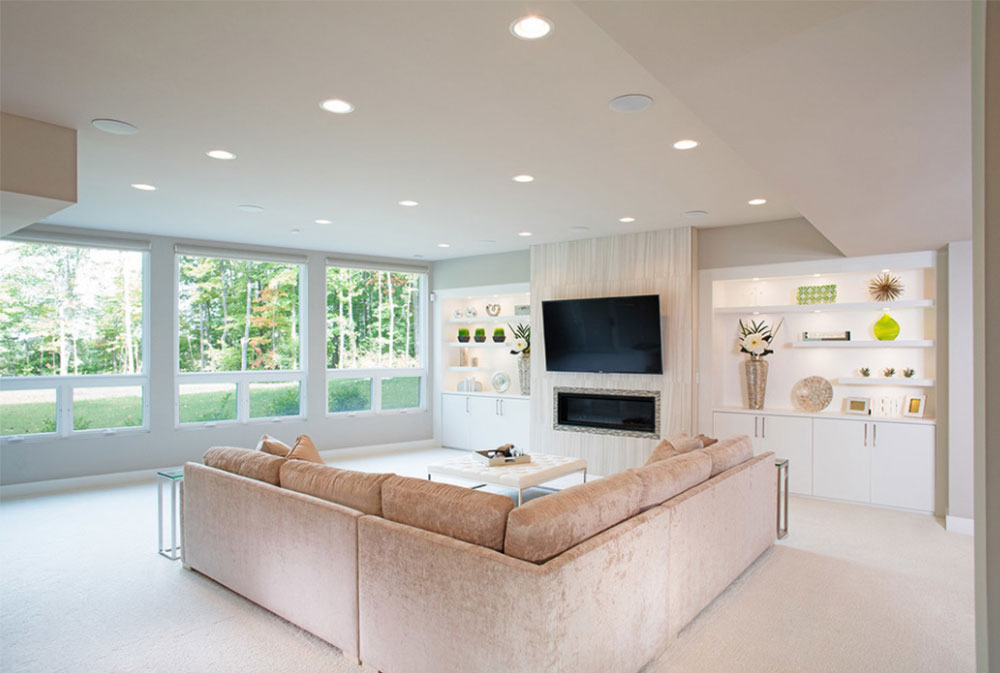
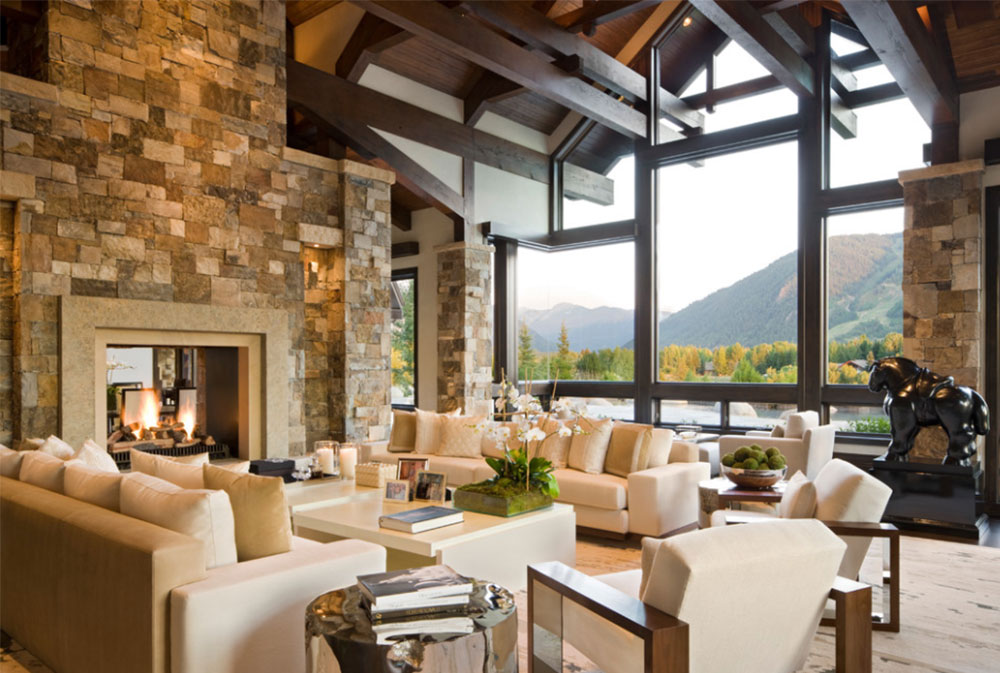
If you have a great room fireplace, shift focus from the TV. Would you really like visitors to stare at a tech widget with a beautiful and calming fireplace around?

In order to protect the rustic and homey feeling of your living room, place the TV somewhere on the side, ideally on a swivel mount for comfortable watching.
Willoughby-Way-by-Charles-Cunniffe-Architects-Aspen How To Decorate A Large Living Room (36 Ideas)
Image source: Charles Cunniffe Architects Aspen

This way, the flat screen won't attract undesired attention, and will remain out of view when not in use.

Pictures of Large Living Room Ideas

Working on the interior design for a living room can be challenging work, and sometimes it can actually be made harder when space is larger.

Here, you will find a showcase of large living room interior design ideas and living room setups to get you going as you set out to tackle this project.

The inspiration that you find here will help you as you choose furniture for the living room that you are working on, as well as how to place furniture in a living room.

It will challenge you with new ideas for arranging that furniture, taking advantage of large spaces and assist you with how to decorate a great room.

No matter what look or style you are seeking to create, looking through this showcase will help to open your eyes to new ideas and new ways of doing things.

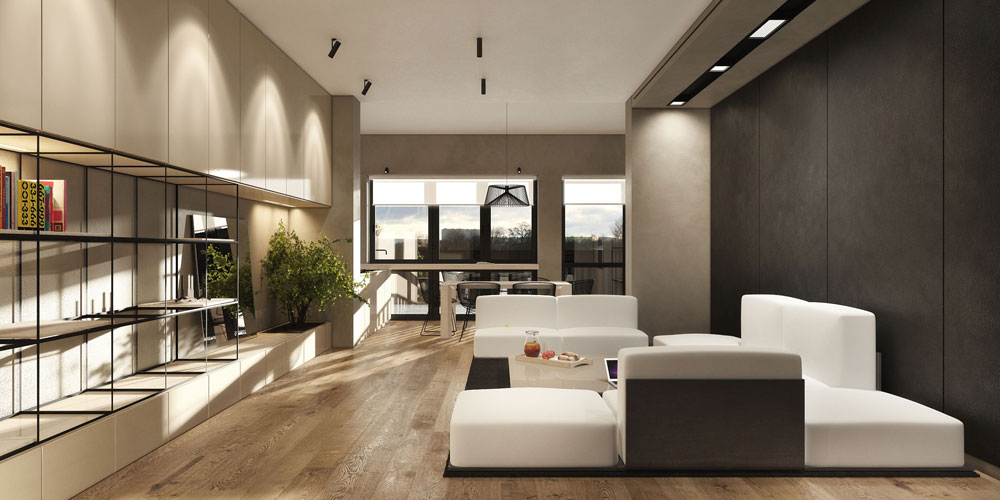
This set of pictures, these large living room interior design ideas, will help to inspire the designer inside of you. Enjoy yourself as you look through these pictures, and gain knowledge for a new way of doing things.
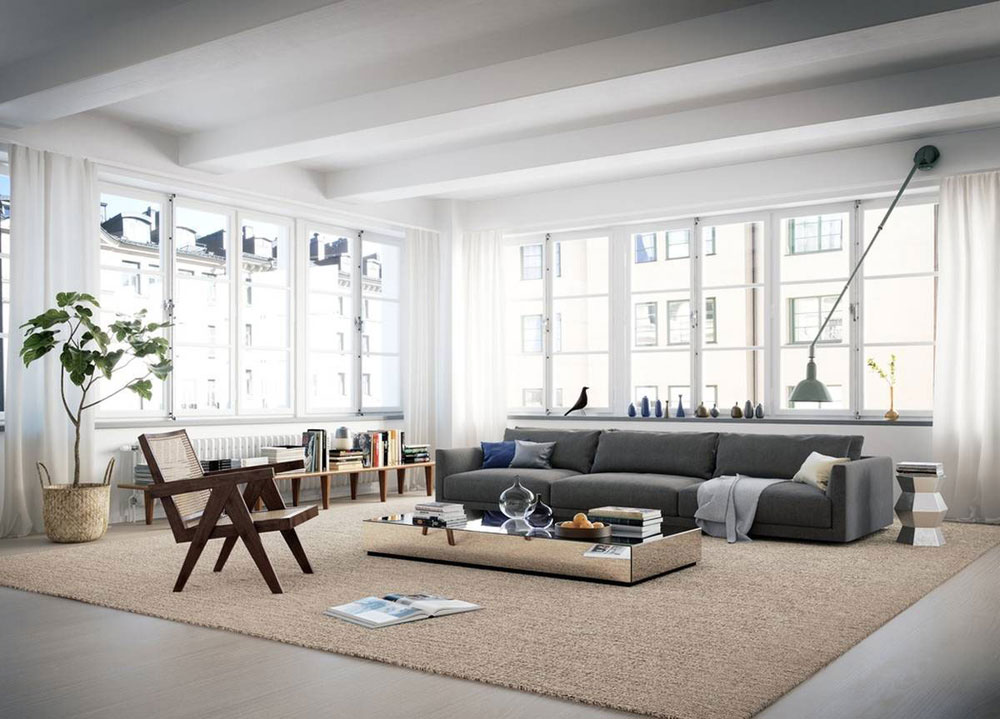
Large-Living-Room-Interior-Design-Ideas-To-Get-You-Going-1 How To Decorate A Large Living Room (36 Ideas)

Large-Living-Room-Interior-Design-Ideas-To-Get-You-Going-2 How To Decorate A Large Living Room (36 Ideas)

Large-Living-Room-Interior-Design-Ideas-To-Get-You-Going-3 How To Decorate A Large Living Room (36 Ideas)

Large-Living-Room-Interior-Design-Ideas-To-Get-You-Going-4 How To Decorate A Large Living Room (36 Ideas)

Large-Living-Room-Interior-Design-Ideas-To-Get-You-Going-6 How To Decorate A Large Living Room (36 Ideas)

Large-Living-Room-Interior-Design-Ideas-To-Get-You-Going-7 How To Decorate A Large Living Room (36 Ideas)

Large-Living-Room-Interior-Design-Ideas-To-Get-You-Going-8 How To Decorate A Large Living Room (36 Ideas)

Large-Living-Room-Interior-Design-Ideas-To-Get-You-Going-9 How To Decorate A Large Living Room (36 Ideas)

Large-Living-Room-Interior-Design-Ideas-To-Get-You-Going-10 How To Decorate A Large Living Room (36 Ideas)

Large-Living-Room-Interior-Design-Ideas-To-Get-You-Going-11 How To Decorate A Large Living Room (36 Ideas)

Large-Living-Room-Interior-Design-Ideas-To-Get-You-Going-12 How To Decorate A Large Living Room (36 Ideas)

Ending thoughts

Living rooms are the heart of every home, and should hence look comfortable and inviting. With the right set of ideas, you can make them both practical and elegant, and we sincerely hope that our tips inspired you to do so. Good luck!

If you liked this article about decorating a large living room, you should check out these as well:

  • Best Sunken Living Room Designs
  • Interior Design For Rectangular Living Room
  • Large Room Design: Top Tips for Decorating a Large Room
  • 30 inspirational living room ideas
  • How To Decorate A Large Living Room To Make It Feel Cosy

Big Living Room Decor Ideas

Source: https://www.impressiveinteriordesign.com/how-to-decorate-large-living-room/

Share:

Bishops Casual Living

Bishops Casual Living

American poet and short-story writer

Elizabeth Bishop

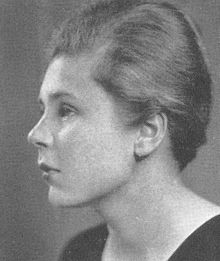
A sideways view of Bishop

Bishop in 1934 as a senior at Vassar

Born (1911-02-08)February 8, 1911
Worcester, Massachusetts, U.S.
Died October 6, 1979(1979-10-06) (aged 68)
Boston, Massachusetts, U.S.
Occupation Poet
Partner Lota de Macedo Soares (1952–1967)
Alice Methfessel (1971–1979)
Signature

Elizabeth Bishop (February 8, 1911 – October 6, 1979) was an American poet and short-story writer. She was Consultant in Poetry to the Library of Congress from 1949 to 1950, the Pulitzer Prize winner for Poetry in 1956,[1] the National Book Award winner in 1970, and the recipient of the Neustadt International Prize for Literature in 1976.[2] Dwight Garner argued that she was perhaps "the most purely gifted poet of the 20th century."[3]

Early life [edit]

Elizabeth Bishop, an only child, was born in Worcester, Massachusetts, United States, to William Thomas and Gertrude May (Bulmer) Bishop. After her father, a successful builder, died when she was eight months old, Bishop's mother became mentally ill and was institutionalized in 1916 (Bishop would later write about the time of her mother's struggles in her short story "In the Village.")[4] Effectively orphaned during her very early childhood, she lived with her maternal grandparents on a farm in Great Village, Nova Scotia, a period she also referred to in her writing. Bishop's mother remained in an asylum until her death in 1934, and the two were never reunited.[5]

Later in childhood, Bishop's paternal family gained custody. She was removed from the care of her grandparents and moved in with her father's wealthier family in Worcester, Massachusetts. However, Bishop was unhappy there, and her separation from her maternal grandparents made her lonely. While she was living in Worcester, she developed chronic asthma, from which she suffered for the rest of her life.[4] Her time in Worcester is briefly chronicled in her poem "In The Waiting Room." In 1918, her grandparents, realizing that Bishop was unhappy living with them, sent her to live with her mother's oldest sister, Maude Bulmer Shepherdson, and her husband George. The Bishops paid Maude to house and educate their granddaughter. The Shepherdsons lived in a tenement in an impoverished Revere, Massachusetts neighborhood populated mostly by Irish and Italian immigrants. The family later moved to better circumstances in Cliftondale, Massachusetts. It was Bishop's aunt who introduced her to the works of Victorian poets, including Alfred, Lord Tennyson, Thomas Carlyle, Robert Browning, and Elizabeth Barrett Browning.[6]

Four women stand behind three seated women, all facing the camera.

Bishop (bottom center) in 1934 with other members of Vassar's yearbook, the Vassarion, of which she was editor-in-chief

Bishop was very ill as a child and, as a result, received very little formal schooling until she attended Saugus High School for her freshman year. She was accepted to the Walnut Hill School in Natick, Massachusetts for her sophomore year but was behind on her vaccinations and not allowed to attend. Instead she spent the year at the North Shore Country Day School in Beverly, Massachusetts.[6] Bishop then boarded at the Walnut Hill School, where she studied music.[4] At the school her first poems were published by her friend Frani Blough in a student magazine.[7] Then she entered Vassar College in Poughkeepsie, New York in the fall of 1929, shortly before the stock market crash, planning to be a composer. She gave up music because of a terror of performance and switched to English where she took courses including 16th and 17th century literature and the novel.[4] Bishop published her work in her senior year in The Magazine (based in California).[4] In 1933, she co-founded Con Spirito, a rebel literary magazine at Vassar, with writer Mary McCarthy (one year her senior), Margaret Miller, and the sisters Eunice and Eleanor Clark.[8] Bishop graduated from Vassar with a bachelor's degree in 1934.[9]

Influences [edit]

Bishop was greatly influenced by the poet Marianne Moore,[10] to whom she was introduced by a librarian at Vassar in 1934. Moore took a keen interest in Bishop's work and, at one point, Moore dissuaded Bishop from attending Cornell Medical School, where the poet had briefly enrolled herself after moving to New York City following her Vassar graduation. Regarding Moore's influence on Bishop's writing, Bishop's friend and Vassar peer, the writer Mary McCarthy stated, "Certainly between Bishop and Marianne Moore there are resemblances: the sort of close microscopic inspection of certain parts of experience. [However,] I think there is something a bit too demure about Marianne Moore, and there's nothing demure about Elizabeth Bishop."[11] Moore helped Bishop first publish some of her poems in an anthology called Trial Balances in which established poets introduced the work of unknown, younger poets.[11]

It was four years before Bishop addressed "Dear Miss Moore" as "Dear Marianne" and only then at the elder poet's invitation. The friendship between the two women, memorialized by an extensive correspondence,[12] endured until Moore's death in 1972. Bishop's "At the Fishhouses" (1955) contains allusions on several levels to Moore's 1924 poem "A Grave."[13]

She was introduced to Robert Lowell by Randall Jarrell in 1947, and they became great friends, mostly through their written correspondence, until Lowell's death in 1977. After his death, she wrote, "our friendship, [which was] often kept alive through years of separation only by letters, remained constant and affectionate, and I shall always be deeply grateful for it."[14] They also influenced each other's poetry. Lowell cited Bishop's influence on his poem "Skunk Hour" which he said, "[was] modeled on Miss Bishop's 'The Armadillo.'"[15] Also, his poem "The Scream" is "derived from...Bishop's story In the Village."[16] "North Haven," one of the last poems she published during her lifetime, was written in memory of Lowell in 1978.

Travels [edit]

Bishop had an independent income from early adulthood, as a result of an inheritance from her deceased father, that did not run out until near the end of her life. This income allowed her to travel widely, though cheaply, without worrying about employment, and to live in many cities and countries which are described in her poems.[4] [17] She wrote frequently about her love of travel in poems like "Questions of Travel" and "Over 2000 Illustrations and a Complete Concordance." She lived in France for several years in the mid-1930s with a friend from Vassar, Louise Crane, who was a paper-manufacturing heiress.

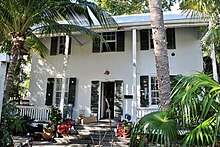
Elizabeth Bishop House, Key West, Florida

In 1938, the two of them purchased a house at 624 White Street in Key West, Florida. While living there Bishop made the acquaintance of Pauline Pfeiffer Hemingway, who had divorced Ernest Hemingway in 1940.

She later lived in an apartment at 611 Frances Street.

1312 & 1314 30th Street NW, (built 1868)

From 1949 to 1950, she was the Consultant in Poetry for the Library of Congress, and lived at Bertha Looker's Boardinghouse, 1312 30th Street Northwest, Washington, D.C., in Georgetown.[18]

Upon receiving a substantial ($2,500) traveling fellowship from Bryn Mawr College in 1951, Bishop set off to circumnavigate South America by boat. Arriving in Santos, Brazil in November of that year, Bishop expected to stay two weeks but stayed 15 years. She lived in Petrópolis with architect Lota (Maria Carlota) de Macedo Soares, who was descended from a prominent and notable political family.[19] Although Bishop was not forthcoming about details of her romance with Soares, much of their relationship was documented in Bishop's extensive correspondence with Samuel Ashley Brown. However, the relationship deteriorated in its later years, becoming volatile and tempestuous, marked by bouts of depression, tantrums and alcoholism.[20] The relationship is depicted in the 2013 film Reaching for the Moon.

A sepia photo of a middle-aged woman in a short-sleeve collared shirt sitting and gazing at an item she is holding.

During her time in Brazil, Bishop became increasingly interested in the literature of the country.[21] She was influenced by Brazilian poets, including João Cabral de Melo Neto and Carlos Drummond de Andrade, and translated their work into English. Regarding Andrade, she said, "I didn't know him at all. He's supposed to be very shy. I'm supposed to be very shy. We've met once — on the sidewalk at night. We had just come out of the same restaurant, and he kissed my hand politely when we were introduced."[22] After Soares took her own life in 1967, Bishop spent more time in the United States.[23] [24]

Publication history and awards [edit]

For a major American poet, Bishop published very sparingly. Her first book, North & South, was first published in 1946 and won the Houghton Mifflin Prize for poetry. This book included important poems like "The Man-Moth" (which describes a dark and lonely fictional creature inspired by what Bishop noted was "[a] newspaper misprint for 'mammoth'") and "The Fish" (in which Bishop describes a caught fish in exacting detail). But she didn't publish a follow-up until nine years later. That volume, titled Poems: North & South—A Cold Spring, first published in 1955, included her first book, plus the 18 new poems that constituted the new "Cold Spring" section. Bishop won the Pulitzer Prize for this book in 1956.

Then there was another long wait before her next volume, Questions of Travel, in 1965. This book showed the influence that living in Brazil had had on Bishop's writing. It included poems in the book's first section that were explicitly about life in Brazil including "Arrival at Santos," "Manuelzinho," and "The Riverman." But in the second section of the volume Bishop also included pieces set in other locations like "In the Village" and "First Death in Nova Scotia", which take place in her native country. Questions of Travel was her first book to include one of her short stories (the aforementioned "In the Village").

Bishop's next major publication was The Complete Poems (1969), which included eight new poems and won a National Book Award. The last new book of poems to appear in her lifetime, Geography III (1977), included frequently anthologized poems like "In the Waiting Room" and "One Art." This book led to Bishop being the first American and the first woman to be awarded the Neustadt International Prize for Literature.[25]

Bishop's The Complete Poems, 1927–1979 was published posthumously in 1983. Other posthumous publications included The Collected Prose (1984; a compilation of her essays and short stories) and Edgar Allan Poe & the Juke-box: Uncollected Poems, Drafts, and Fragments (2006), whose publication aroused some controversy. Meghan O'Rourke notes in an article from Slate magazine, "It's no wonder ... that the recent publication of Bishop's hitherto uncollected poems, drafts, and fragments ... encountered fierce resistance, and some debate about the value of making this work available to the public. In an outraged piece for The New Republic, Helen Vendler labeled the drafts 'maimed and stunted' and rebuked Farrar, Straus and Giroux for choosing to publish the volume."[26]

Literary style and identity [edit]

Where some of her notable contemporaries like Robert Lowell and John Berryman made the intimate details of their personal lives an important part of their poetry, Bishop avoided this practice altogether.[27] In contrast to this confessional style involving large amounts of self-exposure, Bishop's style of writing, though it sometimes involved sparse details from her personal life, was known for its highly detailed, objective, and distant point of view and for its reticence on the kinds of personal subject matter that the work of her contemporaries involved. She used discretion when writing about details and people from her own life. "In the Village," a piece about her childhood and mentally unstable mother, is written as a third-person narrative, and so the reader would only know of the story's autobiographical origins by knowing about Bishop's childhood.[28]

Bishop did not see herself as a "lesbian poet" or as a "female poet." Because she refused to have her work published in all-female poetry anthologies, other female poets involved with the women's movement thought she was hostile towards the movement. For instance, a student at Harvard who was close to Bishop in the 60s, Kathleen Spivack, wrote in her memoir, "I think Bishop internalized the misogyny of the time. How could she not? ... Bishop had a very ambivalent relation to being a woman plus poet—plus lesbian—in the Boston/Cambridge/Harvard nexus ... Extremely vulnerable, sensitive, she hid much of her private life. She wanted nothing to do with anything that seemed to involve the women's movement. She internalized many of the male attitudes of the day toward women, who were supposed to be attractive, appealing to men, and not ask for equal pay or a job with benefits."[29] However, this was not how Bishop necessarily viewed herself. In an interview with The Paris Review from 1978, she said that, despite her insistence on being excluded from female poetry anthologies, she still considered herself to be "a strong feminist" but that she only wanted to be judged based on the quality of her writing and not on her gender or sexual orientation.[4] [30]

Although generally supportive of the "confessional" style of her friend, Robert Lowell, she drew the line at his highly controversial book The Dolphin (1973), in which he used and altered private letters from his ex-wife, Elizabeth Hardwick (whom he divorced after 23 years of marriage), as material for his poems. In a letter to Lowell, dated March 21, 1972, Bishop strongly urged him against publishing the book: "One can use one's life as material [for poems]—one does anyway—but these letters—aren't you violating a trust? IF you were given permission—IF you hadn't changed them... etc. But art just isn't worth that much."[31]

"In the Waiting Room" [edit]

Bishop's "In the Waiting Room," written in 1976, addressed the chase for identity and individuality within a diverse society as a seven-year-old girl living in Worcester, Massachusetts during World War I.

"First Death in Nova Scotia" [edit]

Bishop's poem "First Death in Nova Scotia," first published in 1965, describes her first encounter with death when her cousin Arturo died. In this poem, her experience of that event is through a child's point of view. The poem highlights that although young and naive the child has some instinctive awareness of the severe impact of death. She combines reality and imagination, a technique also used in her poem "Sestina."[32]

"Sestina" [edit]

Bishop's poem "Sestina," also published in 1965, depicts a real-life experience. After her father's death when she was a baby and following her mother's nervous breakdown when she was five, Bishop's poem notes her experience after she has gone to live with relatives. The poem is about her living with the knowledge that she would not see her mother again. Bishop writes, "Time to plant tears, says the almanac. / The grandmother sings to the marvelous stove / and the child draws another inscrutable house."[33] The style of her poem, the sestina, is a poetry style created by Arnaut Daniel in the 12th century, focused on the emphases of ending words in each line, giving the poem a sense of form and pattern. Bishop is widely known for her skill in the sestina format.[34]

Later life [edit]

Bishop lectured in higher education for a number of years starting in the 1970s when her inheritance began to run out.[35] For a short time she taught at the University of Washington, before teaching at Harvard University for seven years. She spent several summers near the end of her life on the island of North Haven, Maine. She taught at New York University, before finishing at the Massachusetts Institute of Technology. She commented, "I don't think I believe in writing courses at all, it's true, children sometimes write wonderful things, paint wonderful pictures, but I think they should be discouraged."[4]

In 1971 Bishop began a relationship with Alice Methfessel.[36] Never a prolific writer, Bishop noted that she would begin many projects and leave them unfinished. Two years after publishing her last book, Geography III (1977),[4] she died of a cerebral aneurysm in her apartment at Lewis Wharf, Boston. She is buried in Hope Cemetery (Worcester, Massachusetts).[37] Alice Methfessel was her literary executor.[36] Her requested epitaph, the last two lines from her poem "The Bight" — "All the untidy activity continues, / awful but cheerful" — was added, along with her inscription, to the family monument in 1997, on the occasion of the Elizabeth Bishop Conference and Poetry Festival in Worcester.[38]

After her death, the Elizabeth Bishop House, an artists' retreat in Great Village, Nova Scotia, was dedicated to her memory. Vassar College Library acquired her literary and personal papers in 1981. Her personal correspondence and manuscripts appear in numerous other literary collections in American research libraries.[39]

In popular culture [edit]

Reaching for the Moon (2013) is a Brazilian movie about Bishop's life when she was living in Brazil with Lota de Macedo Soares.[40] The Portuguese title of the film is Flores Raras.

Author Michael Sledge published the novel The More I Owe You, about Bishop and Soares, in 2010.[41]

Bishop's friendship with Robert Lowell was the subject of the play Dear Elizabeth, by Sarah Ruhl, which was first performed at the Yale Repertory Theater in 2012.[42] The play was adapted from the two poets' letters which were collected in the book Words in Air: The Complete Correspondence Between Elizabeth Bishop and Robert Lowell.[43]

In the television show Breaking Bad, episode 2.13, "ABQ", Jane's father enters her bedroom where there is a photograph of Elizabeth Bishop on the wall. Earlier, the father had told the police that Jane's mother's maiden name was Bishop.

Awards and honors [edit]

  • 1945: Houghton Mifflin Poetry Prize Fellowship
  • 1947: Guggenheim Fellowship
  • 1949: Appointed Consultant in Poetry at the Library of Congress
  • 1950: American Academy of Arts and Letters Award
  • 1951: Lucy Martin Donelly Fellowship (awarded by Bryn Mawr College)
  • 1953: Shelley Memorial Award
  • 1954: Elected to lifetime membership in the National Institute of Arts and Letters
  • 1956: Pulitzer Prize for Poetry[1]
  • 1960: Chapelbrook Foundation Award
  • 1964: Academy of American Poets Fellowship
  • 1968: Fellow of the American Academy of Arts and Sciences[44]
  • 1968: Ingram Merrill Foundation Grant
  • 1969: The Order of Rio Branco (awarded by the Brazilian government)
  • 1970: National Book Award for Poetry[2]
  • 1974: Harriet Monroe Poetry Award
  • 1976: Books Abroad/Neustadt International Prize
  • 1976: Elected to the American Academy of Arts and Letters
  • 1977: National Book Critics Circle Award
  • 1978: Guggenheim Fellowship
  • 2010: Elected to inaugural class of the New York Writers Hall of Fame

Works [edit]

Poetry collections
  • North & South (Houghton Mifflin, 1946)
  • Poems: North & South. A Cold Spring (Houghton Mifflin, 1955) —winner of the Pulitzer Prize[1]
  • A Cold Spring (Houghton Mifflin, 1956)
  • Questions of Travel (Farrar, Straus, and Giroux, 1965)
  • The Complete Poems (Farrar, Straus, and Giroux, 1969) —winner of the National Book Award[2]
  • Geography III (Farrar, Straus, and Giroux, 1976)
  • The Complete Poems: 1927–1979 (Farrar, Straus, and Giroux, 1983)
  • Edgar Allan Poe & The Juke-Box: Uncollected Poems, Drafts, and Fragments by Elizabeth Bishop ed. Alice Quinn (Farrar, Straus, and Giroux, 2006)
  • Poems, Prose and Letters by Elizabeth Bishop, ed. Robert Giroux (Library of America, 2008) ISBN 9781598530179
  • Poems (Farrar, Straus, and Giroux, 2011)
Other works
  • The Diary of Helena Morley by Alice Brant, translated and with an introduction by Elizabeth Bishop, (Farrar, Straus, and Cudahy, 1957)
  • The Ballad of the Burglar of Babylon (Farrar, Straus, and Giroux, 1968)
  • An Anthology of Twentieth Century Brazilian Poetry, edited by Elizabeth Bishop and Emanuel Brasil, (Wesleyan University Press (1972)
  • The Collected Prose (Farrar, Straus, and Giroux, 1984)
  • One Art: Letters, selected and edited by Robert Giroux (Farrar, Straus, and Giroux, 1994)
  • Exchanging Hats: Elizabeth Bishop Paintings, edited and with an introduction by William Benton (Farrar, Straus, and Giroux, 1996)
  • Words in Air: The Complete Correspondence Between Elizabeth Bishop and Robert Lowell, ed. Thomas Travisano, Saskia Hamilton (Farrar, Straus & Giroux, 2008)
  • Conversations with Elizabeth Bishop, George Monteiro Ed. (University Press of Mississippi 1996)

See also [edit]

  • Lesbian Poetry

References [edit]

Notes [edit]

  1. ^ a b c "Poetry". Past winners & finalists by category. The Pulitzer Prizes. Retrieved April 25, 2008.
  2. ^ a b c "National Book Awards – 1970". National Book Foundation. Retrieved 2012-04-07.
    (With essay by Ross Gay from the Awards 60-year anniversary blog.)
  3. ^ "The Nobel Prize in Literature Takes This Year Off. Our Critics Don't". Retrieved September 23, 2018.
  4. ^ a b c d e f g h i "Elizabeth Bishop, The Art of Poetry No. 27" Interview in Paris Review Summer 1981 No. 80
  5. ^ "Elizabeth Bishop". Worcester Area Writers. Worcester Polytechnic Institute. Archived from the original on September 5, 2008. Retrieved April 25, 2008.
  6. ^ a b Millier, Brett C. (1995). Elizabeth Bishop: Life and the Memory of It. University of California Press. ISBN9780520203457.
  7. ^ "Elizabeth Bishop". Walnut Hill School. Archived from the original on May 9, 2008. Retrieved April 25, 2008.
  8. ^ "Elizabeth Bishop, American Poet". Elizabeth Bishop Society. Vassar College. Retrieved April 25, 2008.
  9. ^ "Elizabeth Bishop – Poet".
  10. ^ Kalstone, David. Becoming a Poet: Elizabeth Bishop with Marianne Moore and Robert Lowell. University of Michigan Press (2001): 4. In an early letter to Moore, Bishop wrote: "[W]hen I began to read your poetry at college I think it immediately opened up my eyes to the possibility of the subject-matter I could use and might never have thought of using if it hadn't been for you.—(I might not have written any poems at all, I suppose.) I think my approach is so much vaguer and less defined and certainly more old-fashioned—sometimes I'm amazed at people's comparing me to you when all I'm doing is some kind of blank verse—can't they see how different it is? But they can't apparently."
  11. ^ a b Voices and Visions Series. Elizabeth Bishop Episode. New York Center for Visual History: New York, 1988.[1] Archived February 17, 2018, at the Wayback Machine
  12. ^ Bishop, Elizabeth. One Art; Letters. New York: Farrar, Straus and Giroux (1995) ISBN 9780374524456
  13. ^ Stewart, Susan (2002) Poetry and the Fate of the Senses. University of Chicago Press 141, 357 fn.78 and fn.79).
  14. ^ Bishop, Elizabeth. Poems, Prose, and Letters. New York: Library of America, 2008. 733.
  15. ^ Lowell, Robert (2003) Collected Poems New York: Farrar, Straus, and Giroux, p1046.
  16. ^ Lowell, Robert. (2003) Collected Poems New York: Farrar, Straus, and Giroux p326.
  17. ^ "Elizabeth Bishop", poets.org, Retrieved April 25, 2008
  18. ^ http://www.dcwriters.org/
  19. ^ "The Love of Her Life," June 2002 The New York Times review of Rare and Commonplace Flowers: The Story of Elizabeth Bishop and Lota de Macedo Soares Retrieved April 25, 2008
  20. ^ Bishop Biography Retrieved April 25, 2008
  21. ^ Schwartz and Estess (1983) p. 236
  22. ^ Schwartz and Estess (1983) p329
  23. ^ Poetry Foundation profile
  24. ^ Oliveira, Carmen (2002) Rare and Commonplace Flowers: The Story of Elizabeth Bishop and Lota de Macedo Soares Rutgers University Press, ISBN 0-8135-3359-7
  25. ^ Neustadt International Prize for Literature listing Archived March 3, 2014, at the Wayback Machine Retrieved April 25, 2008
  26. ^ O'Rourke, Meghan. "Casual Perfection: Why did the publication of Elizabeth Bishop's drafts cause an uproar?" Slate. June 13, 2006.
  27. ^ Helen Vendler phone interview on Robert Lowell and Elizabeth Bishop audio podcast from The New York Review of Books. Accessed September 11, 2010
  28. ^ Bishop, Elizabeth. "In the Village." Questions of Travel.
  29. ^ Spivack, Kathleen. Robert Lowell and His Circle: Sylvia Plath, Anne Sexton, Elizabeth Bishop, Stanley Kunitz, and Others. Boston: Northeastern University Press, 2012.
  30. ^ Kalstone, David and Hemenway, Robert (2003) Becoming a Poet: Elizabeth Bishop with Marianne Moore and Robert Lowell. Ann Arbor: University of Michigan Press
  31. ^ Words in Air: the Complete Correspondence between Elizabeth Bishop and Robert Lowell. Ed. Thomas Travisano and Saskia Hamilton. New York: Farrar, Straus, and Giroux, 2008.
  32. ^ Ruby (January 24, 2012). "Elizabeth Bishop: Sestina". Elizabeth Bishop . Retrieved March 9, 2018.
  33. ^ McNamarra, Robert. "Sestina". staff.washington.edu . Retrieved March 9, 2018.
  34. ^ "Analysis of Sestina by Elizabeth Bishop". Owlcation . Retrieved March 9, 2018.
  35. ^ Schwartz, Tony. "Elizabeth Bishop Won A Pulitzer for Poetry and Taught At Harvard." The New York Times October 8, 1979: B13 Retrieved April 25, 2008
  36. ^ a b Random House essay by Ernest Hilbert Retrieved April 25, 2008
  37. ^ Wilson, Scott. Resting Places: The Burial Sites of More Than 14,000 Famous Persons, 3d ed.: 2 (Kindle Locations 3979–3980). McFarland & Company, Inc., Publishers. Kindle Edition.
  38. ^ "1995 Walking Tour:32 Elizabeth Bishop". Friends of Hope Cemetery. Archived from the original on May 11, 2008.
  39. ^ Montgomery, Paul L. (December 13, 1981). "VASSAR'S LIBRARY ACQUIRES PAPERS OF ELIZABETH BISHOP (Published 1981)". The New York Times. ISSN 0362-4331. Retrieved November 14, 2020.
  40. ^ Filme 'Flores Raras' é corajoso, mas não tão arrojado como pede a trama
  41. ^ "Questions of Travel". The New York Times, July 9, 2010.
  42. ^ Collins-Hughes, Laura (November 23, 2012). "Elizabeth Bishop and Robert Lowell's Letters, onstage". Boston Globe.
  43. ^ Graham, Ruth (December 18, 2012). "Lettering the Stage". Poetry Foundation.
  44. ^ "Book of Members, 1780–2010: Chapter B" (PDF). American Academy of Arts and Sciences. Retrieved April 10, 2011.

Bibliography [edit]

  • Costello, Bonnie (1991). Elizabeth Bishop: Questions of Mastery. Cambridge: Harvard University Press. ISBN0-674-24689-6.
  • Kalstone, David (1989). Becoming a Poet: Elizabeth Bishop with Marianne Moore and Robert Lowell. New York: Farrar Straus Giroux. ISBN0-374-10960-5.
  • Millier, Brett (1993). Elizabeth Bishop: Life and the Memory of It. Berkeley: University of California Press. ISBN0-520-07978-7.
  • Nickowitz, Peter. Rhetoric and Sexuality: The Poetry of Hart Crane, Elizabeth Bishop, and James Merrill. Palgrave Macmillan: New York, 2006.
  • Oliveira, Carmen L., trans Neil K. Besner, (2002) Rare and Commonplace Flowers: The Story of Elizabeth Bishop and Lota de Macedo Soares (Rutgers University Press, 2002) ISBN 0-8135-3359-7
  • Ostrom, Hans. "Elizabeth Bishop's 'The Fish,'" in a Reference Guide to American Literature, ed. Thomas Riggs. Detroit: St. James Press, 1999.
  • Page, Chester (2007). Memoirs of a Charmed Life in New York. iUniverse. p. 77. ISBN978-0-595-69771-7.
  • Schwartz, Lloyd and Estess, Sybil P. (1983) Elizabeth Bishop and Her Art University of Michigan Press ISBN 0-472-06343-X
  • Travisano, Thomas (1988). Elizabeth Bishop: Her Artistic Development. Charlottesville: University Press of Virginia. ISBN0-8139-1159-1.
  • McCabe, Susan (1994) Elizabeth Bishop: Her Poetics of Loss Penn State Press ISBN 0-271-01048-7

External links [edit]

Archives [edit]

  • Elizabeth Bishop papers at Special Collections, Vassar College Libraries
  • John Malcolm Brinnin papers at Special Collections, University of Delaware Library
  • Marianne Moore collection at The Rosenbach, Philadelphia
  • Robert Lowell papers at Houghton Library, Harvard
  • Robert Lowell papers at Harry Ransom Center, University of Texas at Austin

Other links [edit]

  • Elizabeth Bishop at Find a Grave
  • Works by Elizabeth Bishop at Open Library
  • Profile at the National Book Foundation Poetry Blog Archived July 31, 2020, at the Wayback Machine
  • Profile at the Poetry Archive with poems written and audio
  • Profile and poems at Poets.org
  • Profile and poems at the Poetry Foundation
  • From the Archive: Discovering Elizabeth Bishop (online exhibition) at Vassar College Libraries

Bishops Casual Living

Source: https://en.wikipedia.org/wiki/Elizabeth_Bishop

Share:
 
banner